Episode #043
Paul Roos
‘It's not my system, it's our system’
Episode #043
Paul Roos
‘It's not my system, it's our system’
Listen and Subscribe

It's not my system, it's our system
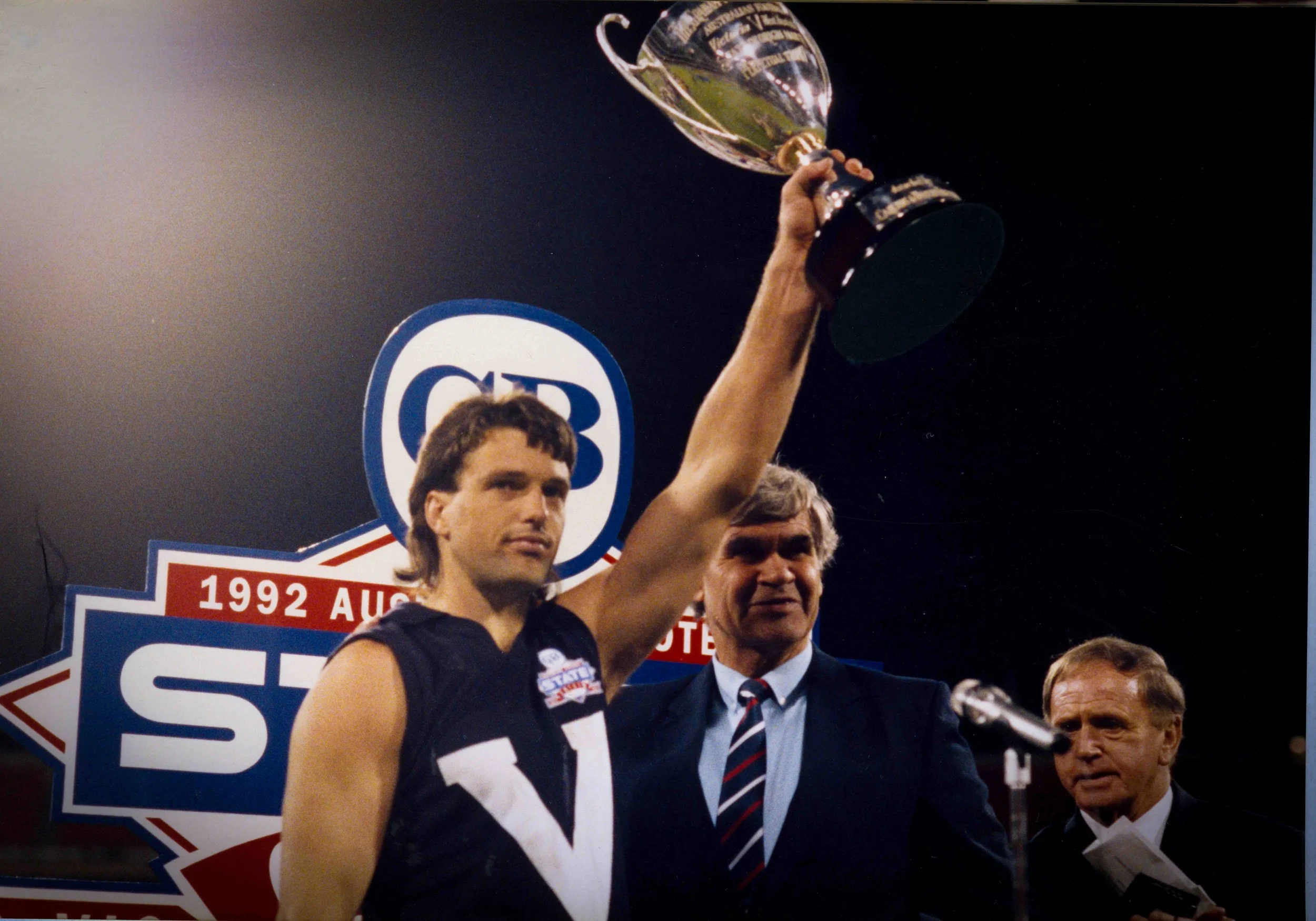
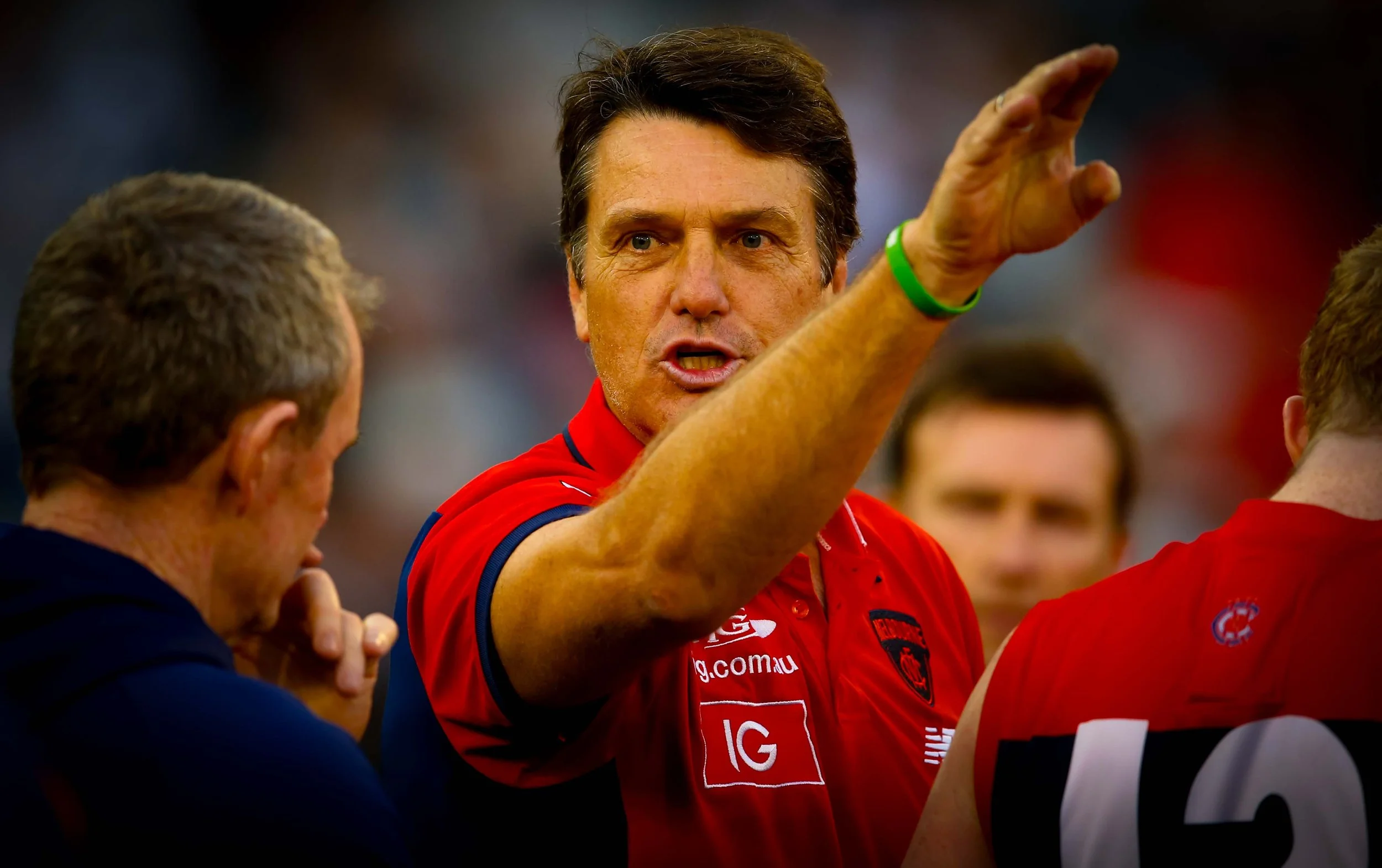
My guest this week on In the Arena is Paul Roos. Paul learnt leadership in the hardest classroom in Australian football. Captain of Fitzroy at 23, he was fielding calls from teammates, "I haven't got paid", while the club fought to survive.
In 1986, with seven weeks left in the season, the players were told on a basketball court that the club would fold, relocate or merge. They voted to stay together and won six of their last seven games.
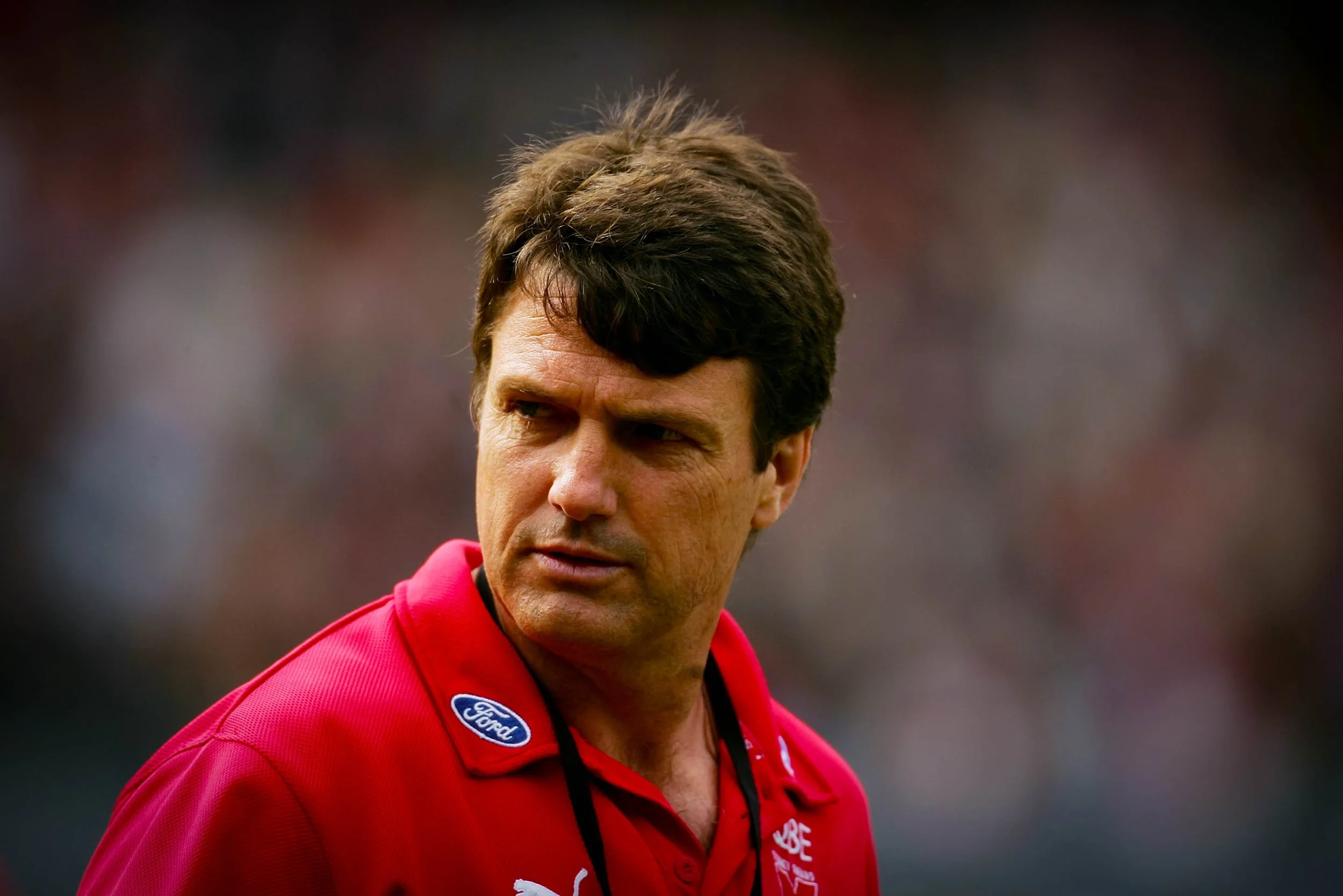
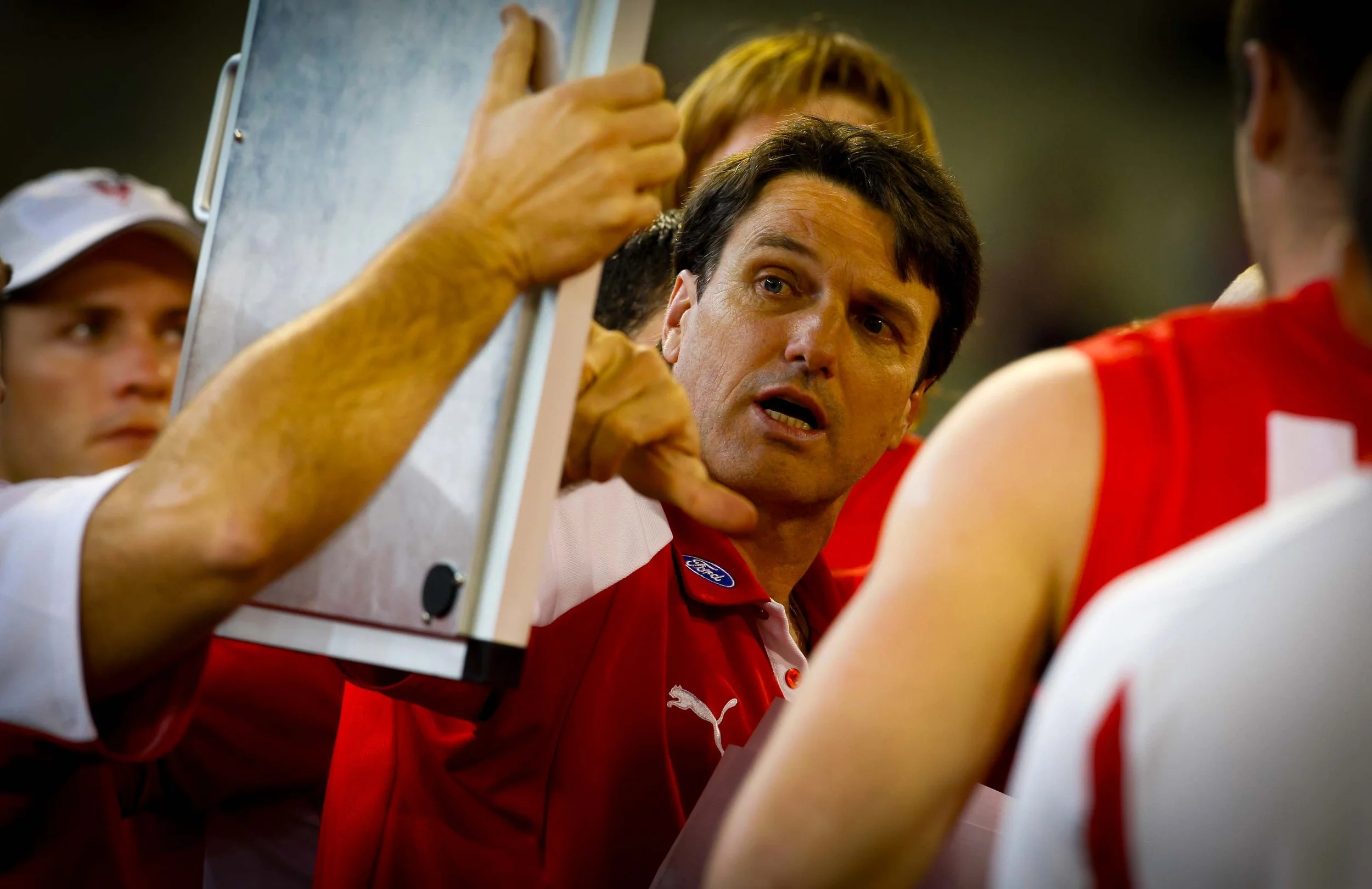
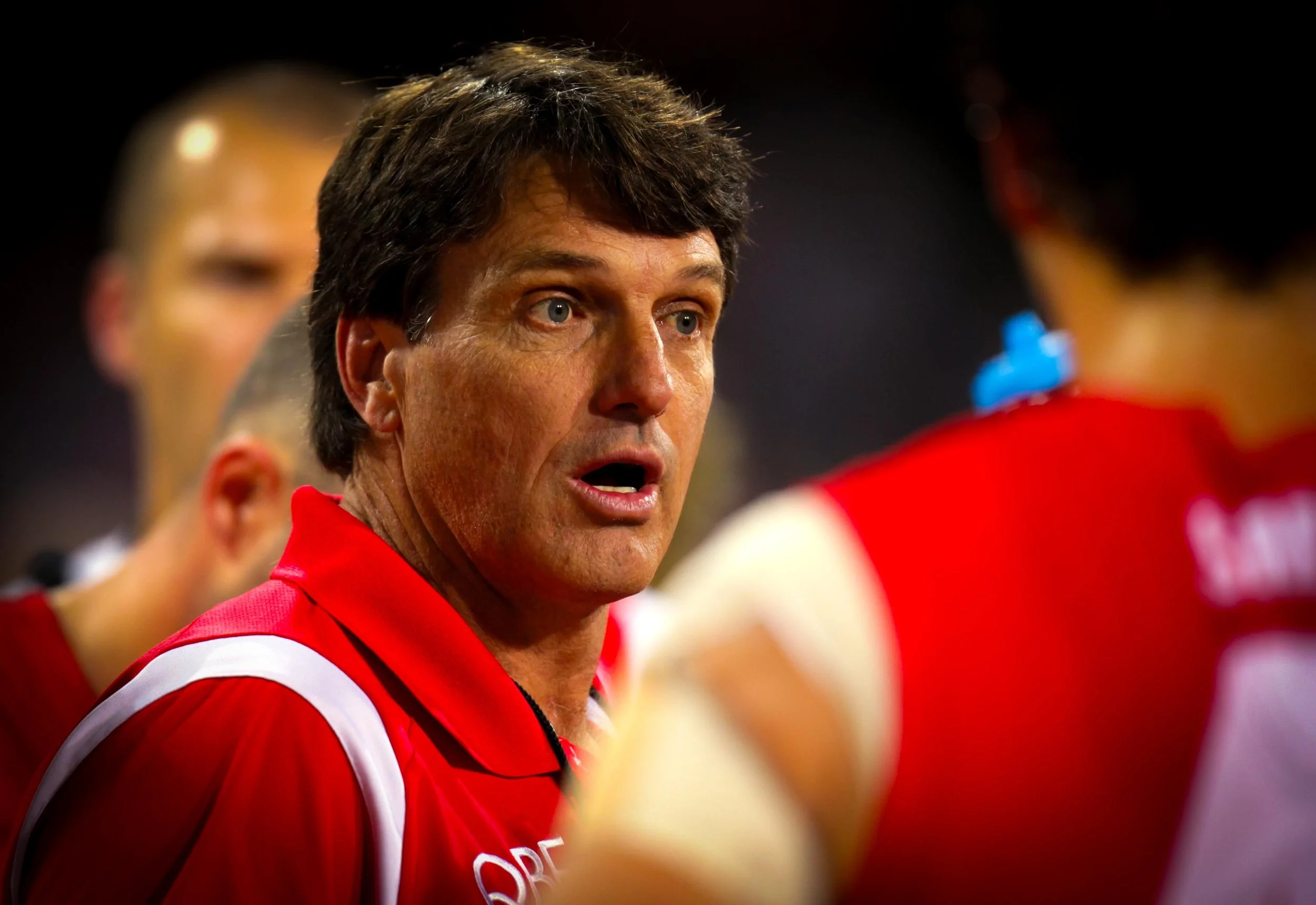
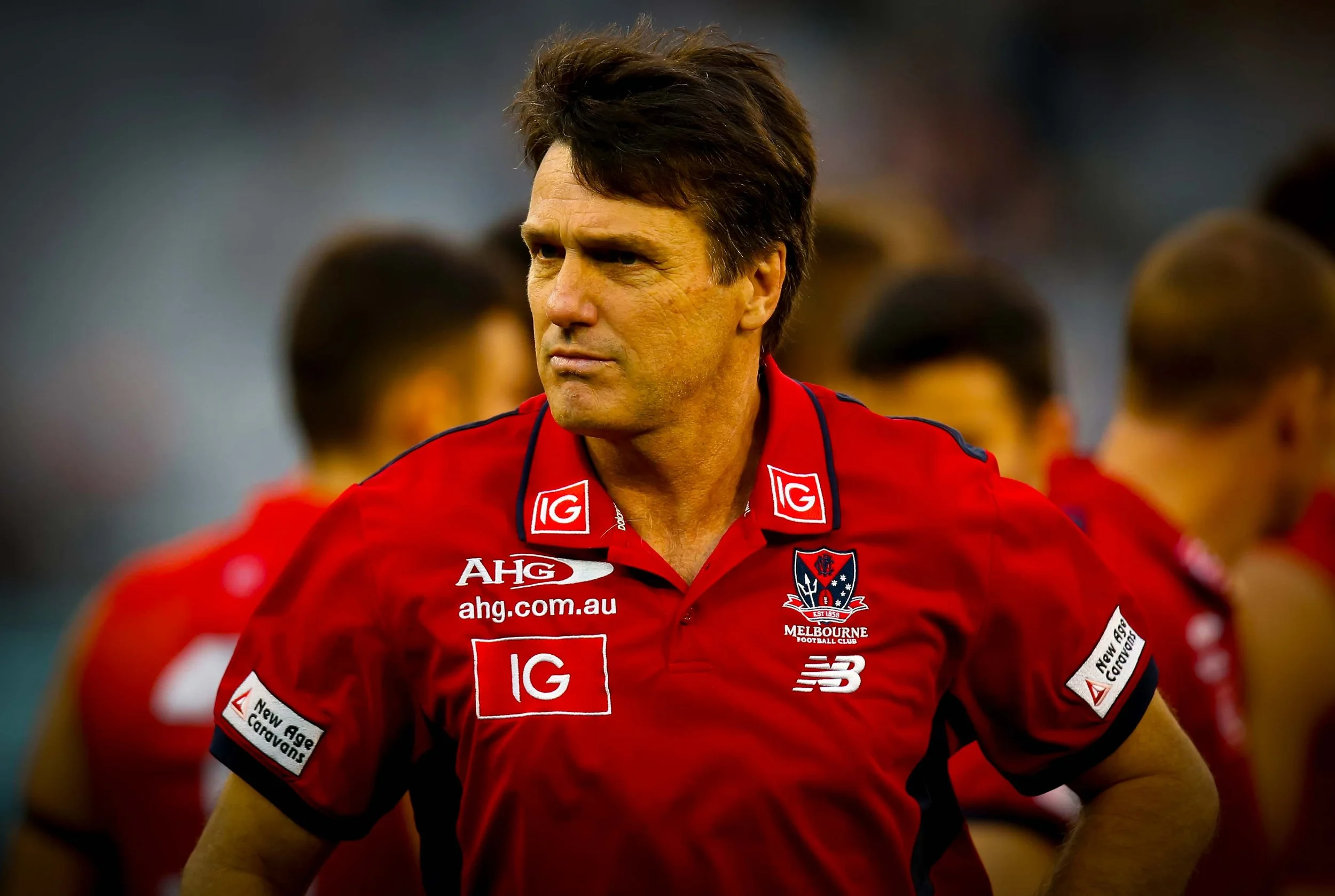
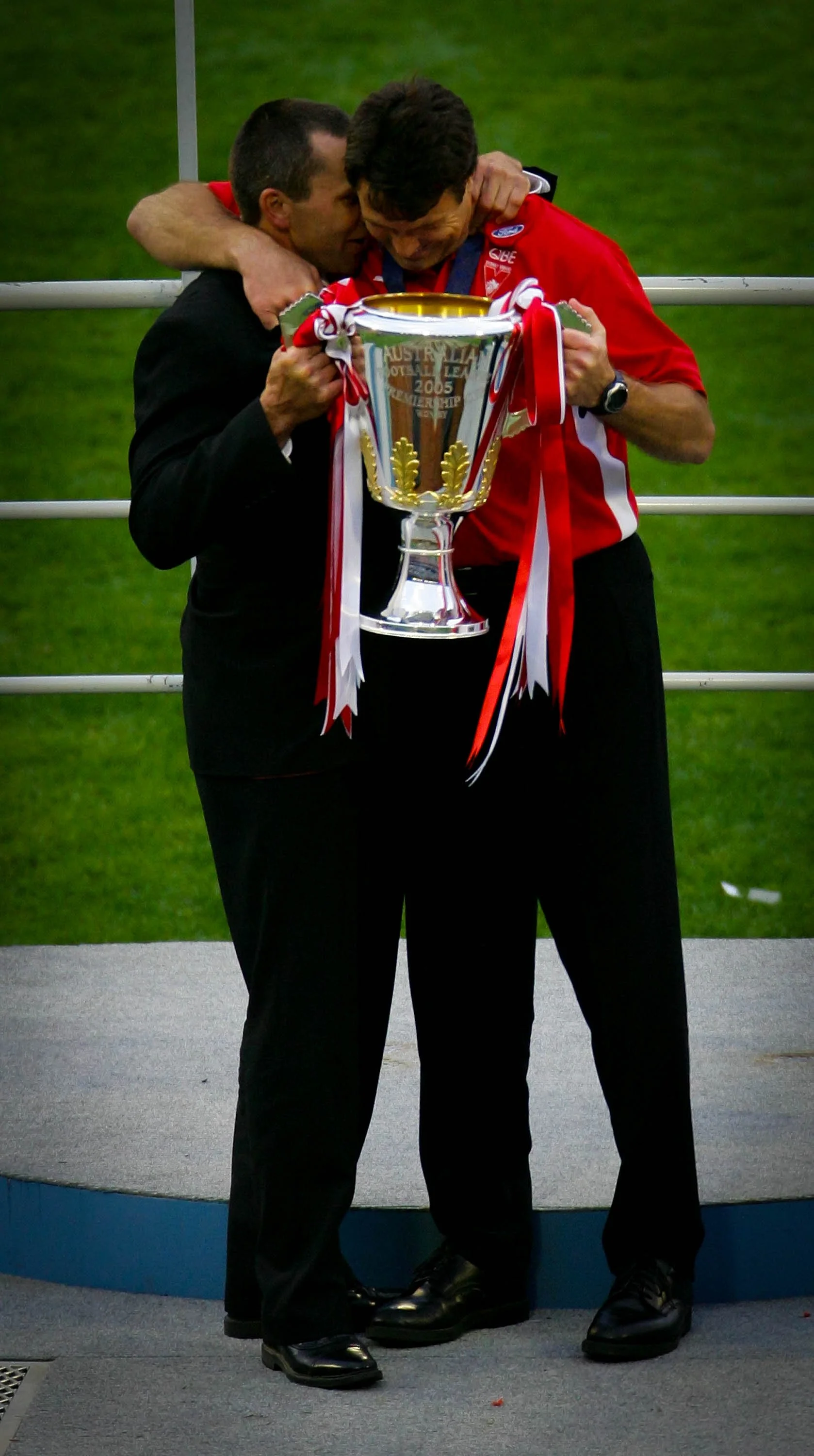
Two decades later he coached the Sydney Swans to the 2005 premiership, the club's first in 72 years. He then coached the Melbourne Football Club. Now ten years working with CEOs through his company, Performance by Design. This conversation is about the system beneath all of it.
The document on the desk
In October 1998, newly retired as a player, Paul sat at his desk and wrote down the things he liked about his coaches and didn't like about his coaches. He had no idea he was going to coach.
"I had that document on my desk for eight and a half years. I wouldn't have won a premiership without that document." When the Sydney coaching job arrived without warning in 2002, the philosophy was already written. The preparation preceded the opportunity.
Not my system, our system
Coffs Harbour, pre-season 2003, the first time it had ever been done in AFL history. The players created a set of behaviours and voted for their leadership group. Stuart Maxfield became captain: not one of the competition's top ten players, but the best behaviours.
Adam Goodes missed out and walked into Paul's office. "It's not my system, it's our system." Paul asked him to measure himself against the behaviours, then against each member of the leadership group: "He's better than me, he's better than me, he's better than me." Then Goodes asked how to get in.
The leap of faith was possible because the fear wasn't there. "I didn't ever see myself as a career coach, there was no fear in losing my job." The test came at one and three, 20 points down at three-quarter time at the SCG: "If you're going to go down, you might as well go down staying true to who you are." They kicked ten goals in the last quarter and played a preliminary final that year.
Alignment beats talent
Going into 2003, 14 of the 16 Age writers picked Sydney to finish bottom of the ladder. "It's hard to win an AFL premiership. It's almost impossible if you haven't got alignment.
" You can win as a talent-based team, but you'd better be 10 or 20 per cent better than everyone else. "You can overcome a significant talent disadvantage with alignment."
Business is no different, except nobody teaches it. "No one's teaching leadership really", people are promoted on technical capability, then asked to coach and lead. And the cost is real: "The data tells you that the people that leave the earliest are the best people in your organisation."
The critical friend
"You have to have someone in your executive team who's a really good mate, they need to challenge you." For Paul it was Stuart Maxfield, walking in after a three-quarter-time spray to question the language.
"You don't have to agree, but you have to listen, then you have to explain why you don't agree." And the simplest cultural audit there is, what happens when the leader walks into the room? "Give me a week within the organisation, I'll tell you exactly what's happening."
Paul's parting word for anyone who thinks it sounds easy: "Leadership is very, very difficult, but you have to be committed to it." It's a craft, it's a skill set.
Notebook ready.
Play on!

Cameron Schwab
Video Shorts - Some key lessons from the podcast
#1 - The critical friend
#2 - Not my system, our system
#3 - Document on my desk

Leadership is the difference maker
To embrace the expectations of your role, welcome the responsibilities and pressures as a privilege, a right you have earned, and be energised by the opportunities they provide.