Episode #42
RICHARD YOUNG
‘The best were different’
Episode #42
RICHARD YOUNG
‘The best were different’
Listen and Subscribe

The best were different
My guest In the Arena is Richard Young.
Richard fell in love with the Olympics as a boy, sitting one foot from the television and spent the next forty years inside them. Eleven Olympic cycles as athlete, coach, researcher and builder of performance systems for Britain, New Zealand and Canada. An English-born Canadian living in New Zealand, he now mentors the people he calls critical moment leaders: the ones whose work is judged on a date they cannot move.
The airport
In 1984, Richard was dropped from the Canadian Olympic team standing in the airport, on the way to the final training camp. His parents had hung a congratulations sign at home.
Then came a letter from his university: two years of poor marks, you're out. No Games, no school. "Suddenly there was a massive void. The dark thoughts were very dark."
What he took from it changed his working life: "It was effort. It wasn't system." He had believed he could out-effort everybody, and when the moment was taken from him there was nothing underneath. A coach later gave him the line he has carried since: win enough to progress, lose enough to learn.
Performance is a moment-by-moment thing
At his first Games, Richard worked the communal weight room like a researcher, divers, weightlifters, basketballers: what's the difference maker for you? "
“The best were different, not just on the bike. They carried themselves differently." The patterns he spotted weren't physical. Everyone had effort; everyone had been through something. What the repeaters had was a pace and a patience, space to listen while still performing.
"I started to see performance as a moment-by-moment thing. Not a medal thing, not a final thing."
The repeaters know the word no
Across twenty-five years of debrief research, one number stands out: the top five to ten per cent of performers owned eighty per cent of the stops.
The best know the word no.
And when they stop something, they don't rush to replace it, "don't fill the stop with another start." It's the Jenga game: pull the wrong piece, slot a new one in too fast, and the tower tells you. Even British cycling's famous one per cent was misread by the world that copied it, the gains only worked because a system sat underneath them. As Richard puts it: best principles beat best practice.
Point the questions forward
Richard analysed every debrief across a national system and found 2,000 unique questions, which, in research terms, means nobody knew what they were looking for.
The repeaters needed only a handful, all pointed forward: what's going well and contributing to performance, what's not going well and detracting, and what's the main worry. Love and worry get real answers from everybody. The past earns just enough attention to inform the future, because, as he says, pressure exposes the truth.
Underneath the stories, the airport, the cafe in Bath, the cooking class a great coach wanted more than a wind tunnel, this conversation is about one idea: behind every high performer is a system. Effort buys you a ticket. The system is what lets you stay.
Notebook ready.
Play on!

Cameron Schwab
Video Shorts - Some key lessons from the podcast
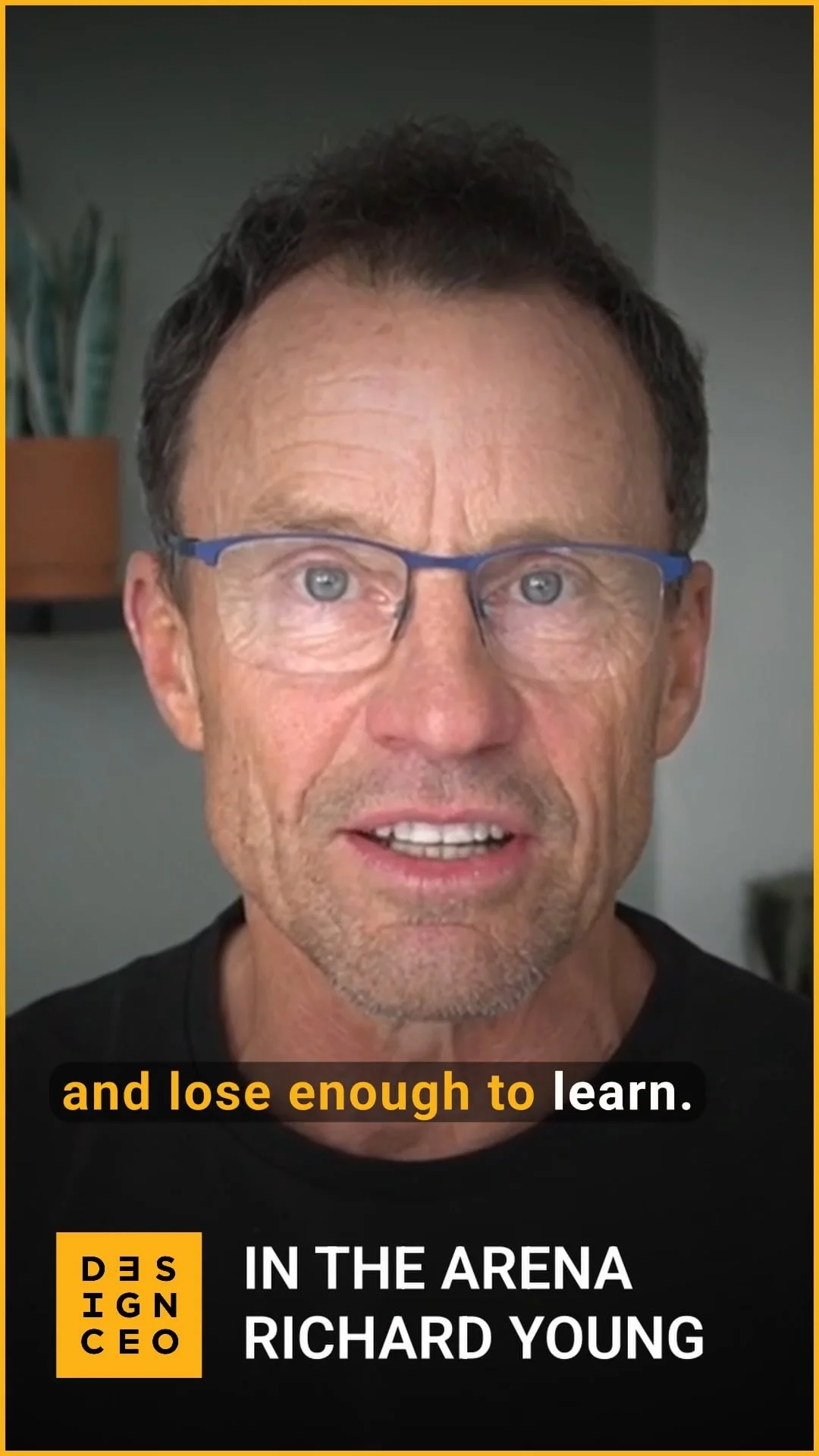
#1 - Learning through loss

#2 - Repeaters know the word no
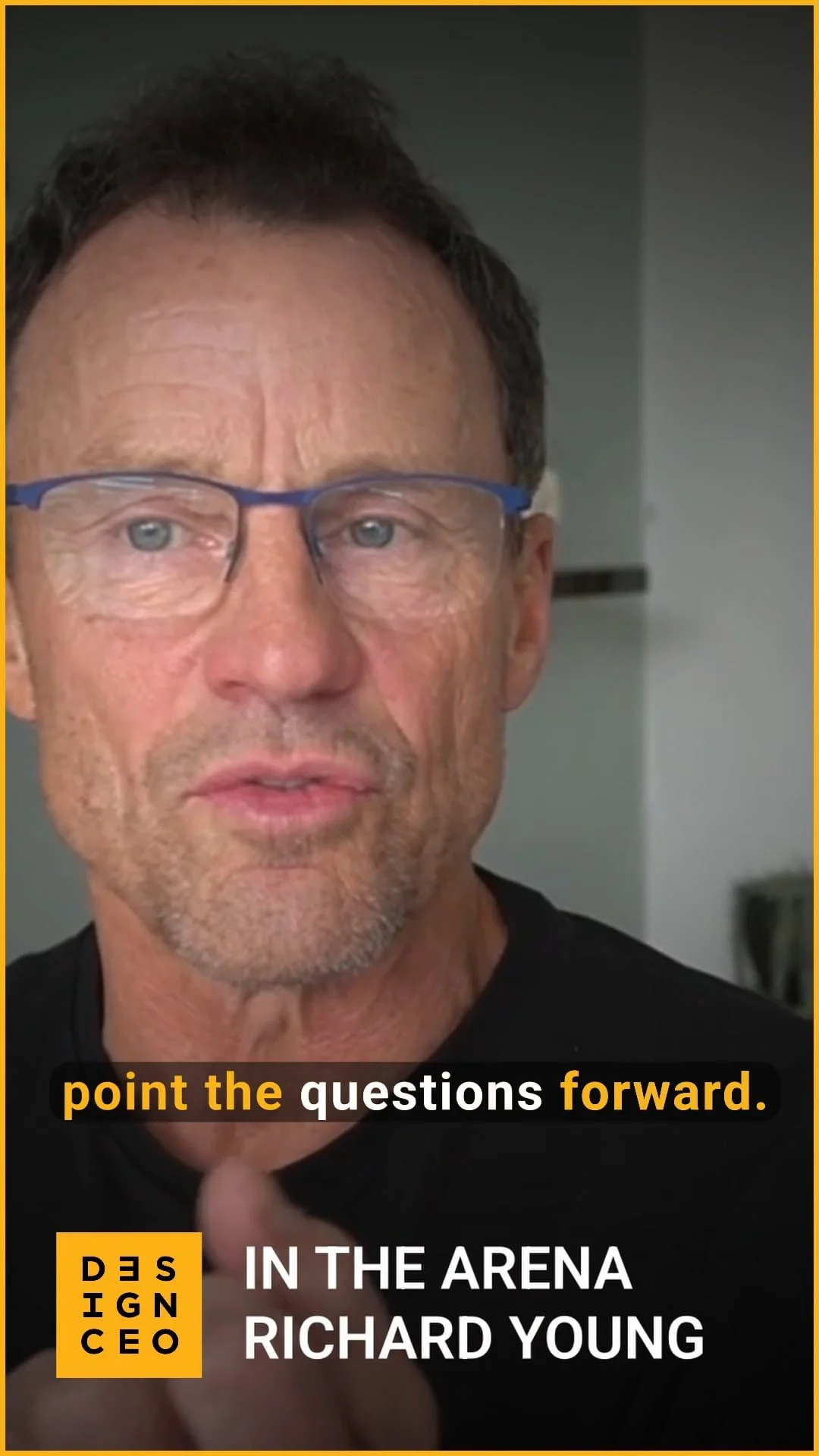
#3 - Point the questions forward


Leadership is the difference maker
To embrace the expectations of your role, welcome the responsibilities and pressures as a privilege, a right you have earned, and be energised by the opportunities they provide.