Episode #035
Mark Riley
‘Chance. Circumstance. Choice’
Episode #035
Mark Riley
‘Chance. Circumstance. Choice’

Listen and Subscribe
Chance. Circumstance. Choice.
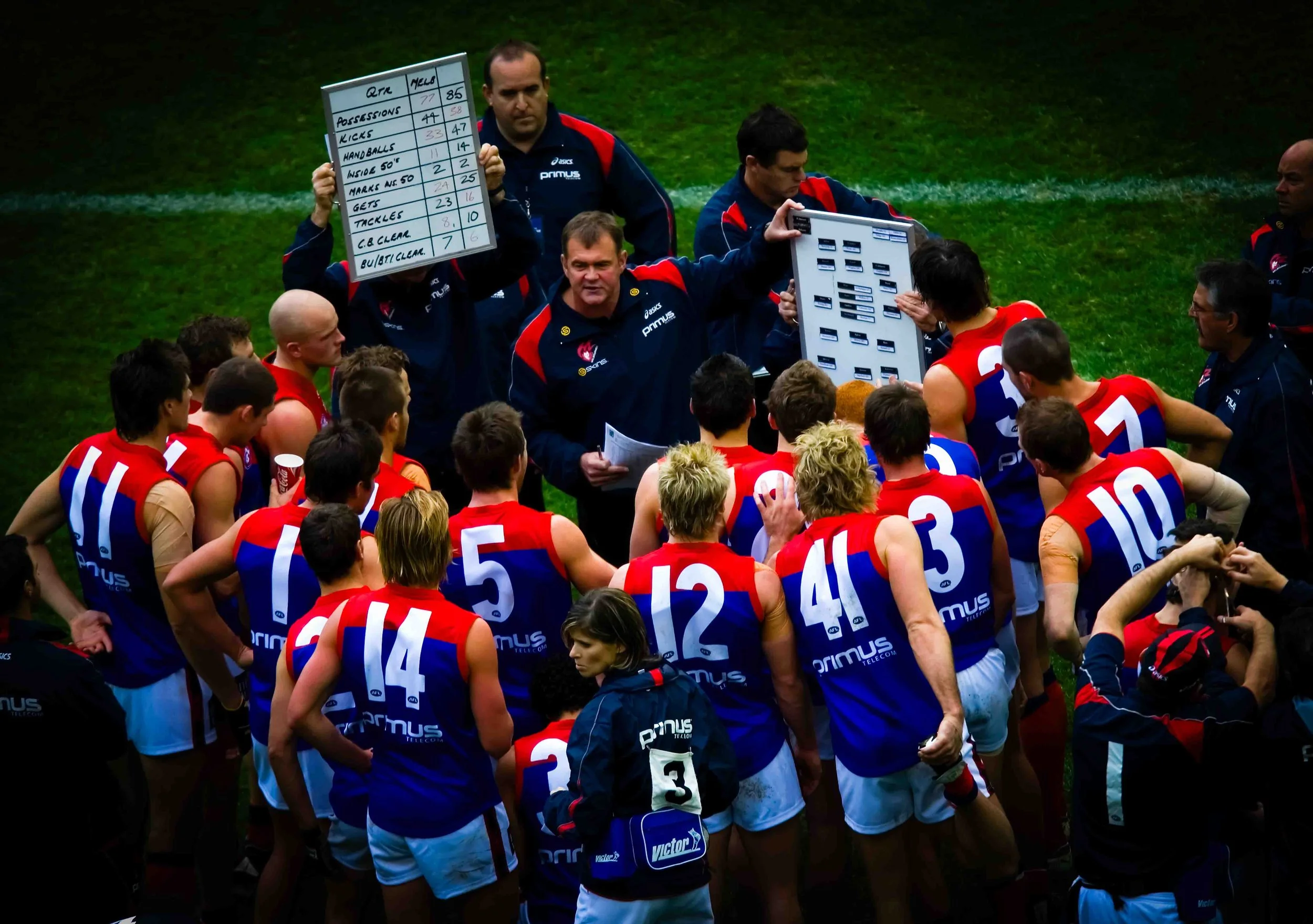
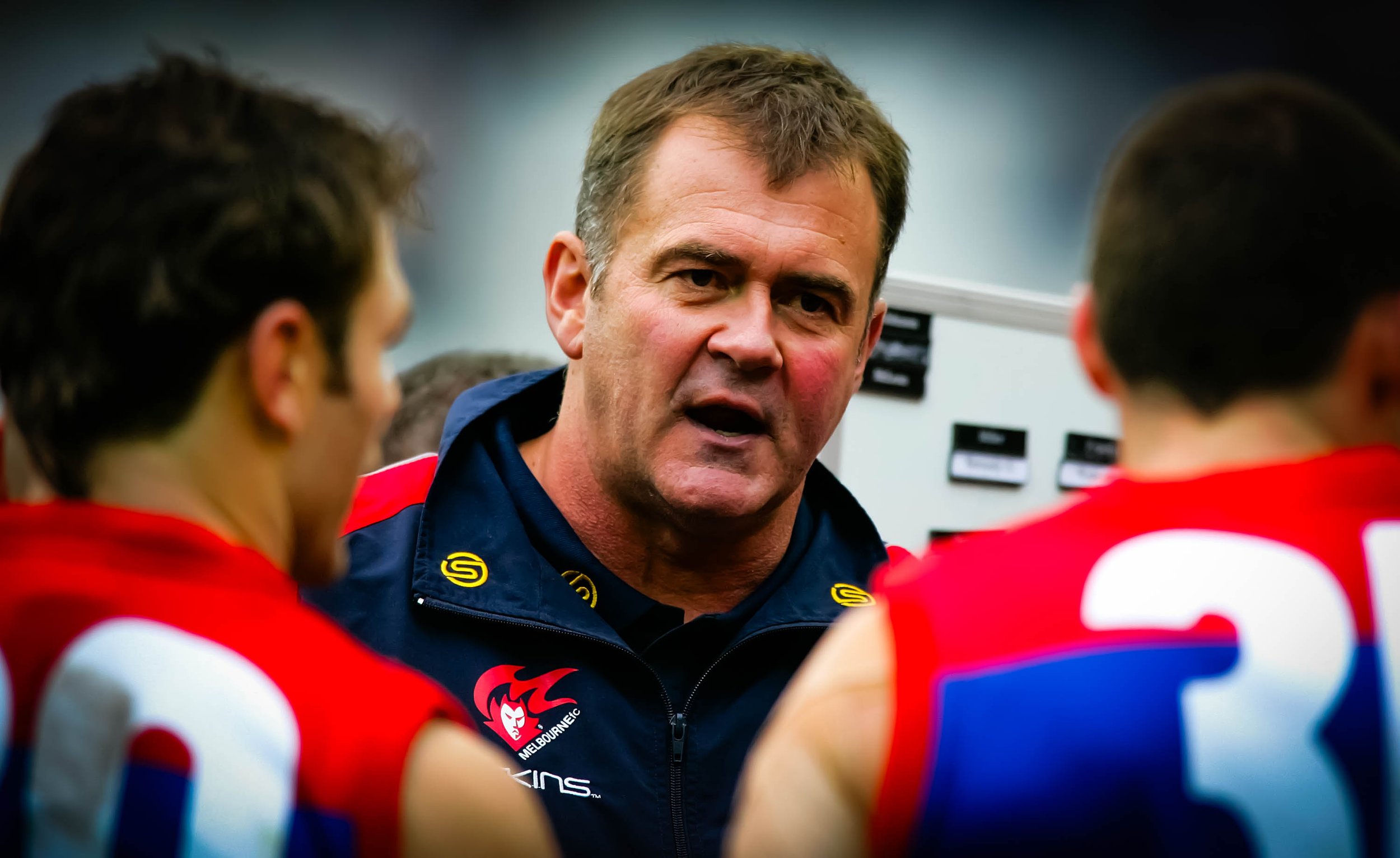
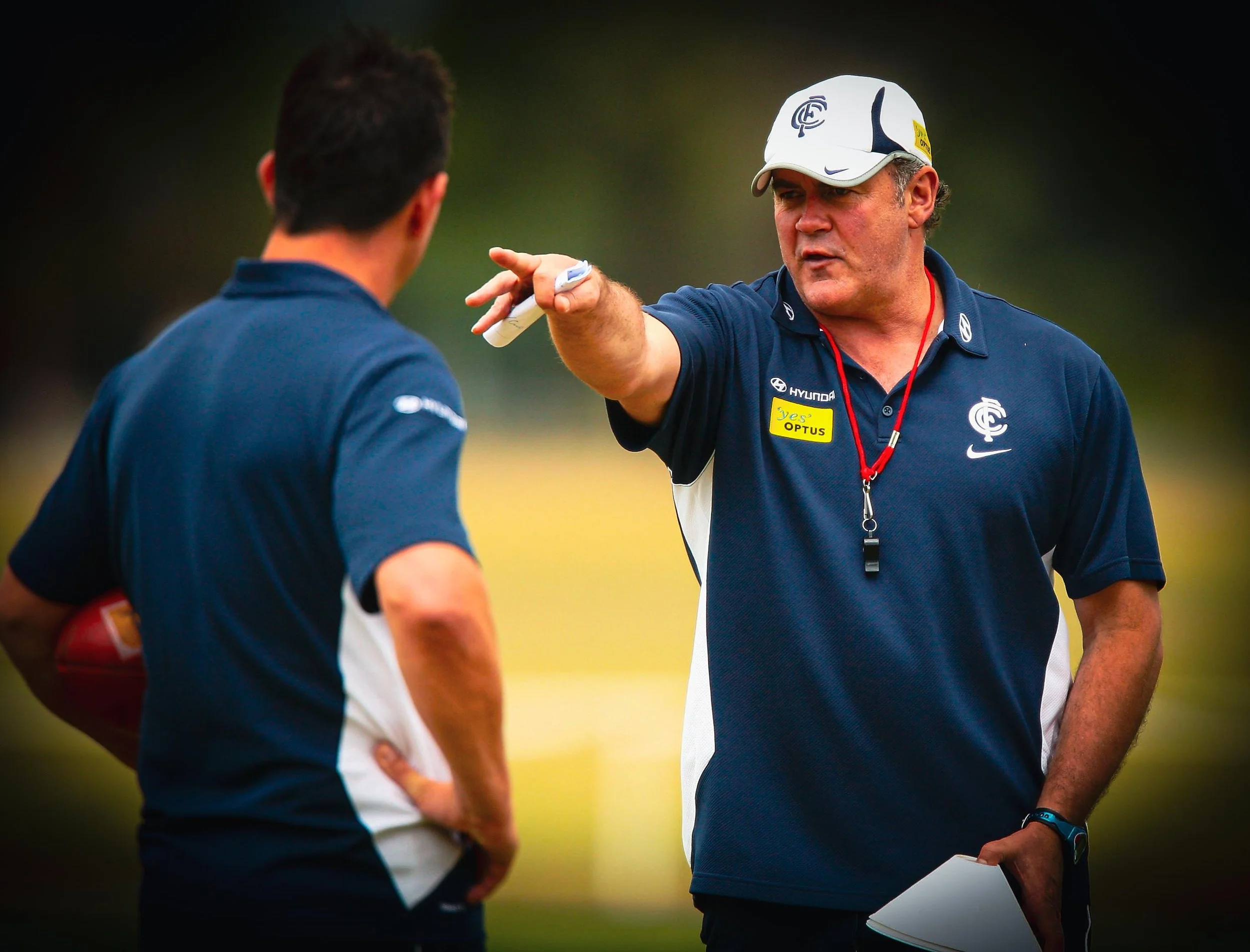
My guest for this episode is Mark Riley — known to everyone as Bomber. A football journeyman in the best sense of the word. Assistant coach at Fremantle, Melbourne, Carlton, Gold Coast. Nine games as Melbourne's senior coach. 450 AFL games in the coaches box. And now, a leader at Clontarf Foundation, where 12,500 Indigenous boys across 170 sites are getting to school, getting an education, getting a chance.
But the story doesn't start in the AFL. It starts in a wheat-and-sheep town called Hyden, 400 kilometres east of Perth.
And it's shaped by two men: Gerard Neesham and Neale Daniher.
The Spaceship
At 28, Mark thought his best football was behind him. Then Gerard Neesham convinced him to come and play at Claremont.
What happened next, Mark describes like this: "It was as if I'd jumped on a spaceship and landed on another planet."
He'd come from a club where you won and you were world champions. You lost, and you ran scoreboard hills on Sunday. Circle work. Punishment. At Claremont, not a cone to be seen. Everything was decision-making. Everything had purpose. Four forwards versus five defenders, ball in, press the most dangerous. You knew why you were doing it. You got instantaneous feedback. And the welcome — the club president remembered your name. You were the 50th player on the list and you walked in with a spring in your step.
That's the difference between a culture that extracts performance and one that unlocks it. Mark saw it firsthand. People understand what we're trying to do. They know how their contribution matters. And they're treated like they belong.
The 10 things
When Mark became a full-time assistant coach at Fremantle in 1995, he sat at his desk and asked Neale Daniher:
"Mate, what do you do as a full-time assistant coach?"
Neale gave him that look. Then he said: "If you can't sit there and write 10 things on that bit of paper that's going to make our team and our players better and then bring those 10 points to life, we shouldn't have made you a full-time coach."
Deep end, mate. Swim.
It's the simplest and most powerful leadership question. What are the 10 things? Not the problems. Not the challenges. The work. The gap between where we are and where we need to be. If you can name it, you can do something about it. If you can't, you're not thinking about what you're doing.
Know your people
Mark tells the story of an educator in New South Wales, Nathan Towney, now Vice-Chancellor of Newcastle University.
Nathan inherited a school with one of the lowest literacy and numeracy results in the state. He didn't change the curriculum. He didn't change the staff. He asked them to do one thing: get out of the staffroom at lunchtime and recess. Talk to the kids. Ask them about their hobbies, their family, and their life. Write it on sticky notes. Put it on the wall.
By the end of term two, the staff knew their students. NAPLAN results went up 25 per cent.
Not because of a new program. Because they knew their people.
When Mark started at Carlton, he sat with Andy Carrazzo — a player who'd go on to play 250 games. They spoke about everything except football. Carrazzo told him later: "You're the first coach I've ever had who asked me anything else."
The work that counts
Mark's now been at Clontarf for a decade.
The foundation started in 2000 with 25 boys. Today it's 12,500. The outcomes are extraordinary — 80 per cent transition to employment or further study. But the real measure came when they tracked the original cohort. Their kids didn't need Clontarf. That's generational change.
Mark didn't take the path that leads to headlines. But his life is rich with connection, service, and growth. After Neale Daniher's funeral, Mark felt small. He compared himself to a giant. Then he sat down and wrote it out. And he realised: it's not the size of the life. It's the conversations. The letters you write. The kid who drops six marks but gets his hands to them, and you tell him next week he'll catch one.
This is a conversation about what leadership looks like when ego leaves the room.
When you see the good in the Swiss cheese, not just the holes.
When you ask: are you thinking about what you're doing? And: do you know your people?
Notebook ready.
Play on!

Cameron Schwab
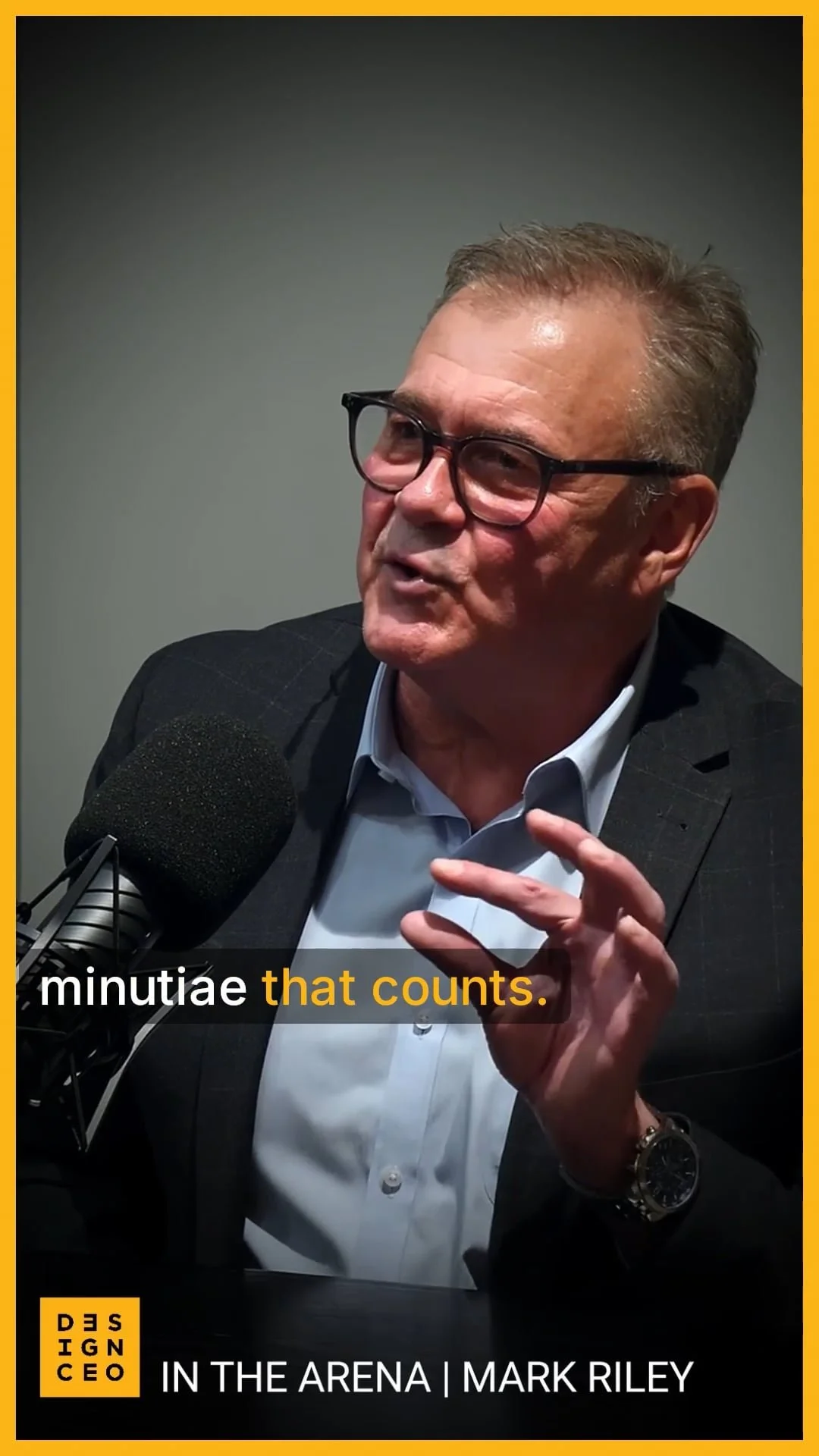
Video Shorts - Some key lessons from the podcast

Leadership is the difference maker
To embrace the expectations of your role, welcome the responsibilities and pressures as a privilege, a right you have earned, and be energised by the opportunities they provide.