Episode #034
Dave Misson
‘It's never about you’
Episode #034
Dave Misson
‘It's never about you’
Listen and Subscribe

It's never about you
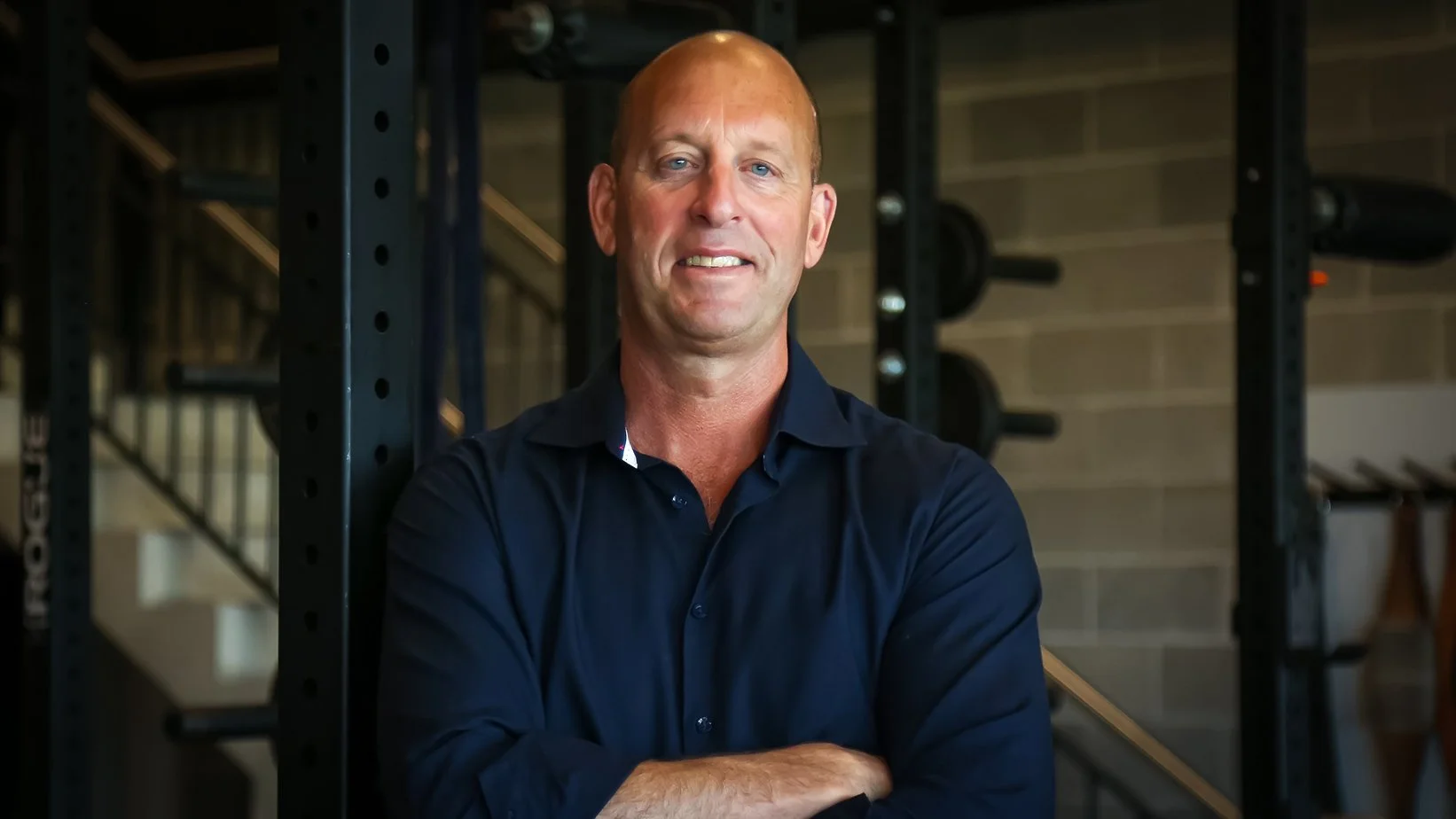
My guest for this episode is Dave Misson — high-performance manager, coach, teacher. A career spent at the pointy end of elite sport: Tennis Australia, Australian Cricket, the Sydney Swans, St Kilda, Melbourne. Part of premierships, World Cups, and some of the most defining cultural moments in Australian sport.
And yet, if you met him, you'd never know it. He's quiet. Understated. The players he's worked with say the same thing:
"I can't believe I did all that stuff you asked me. You never shouted at us. You never made it about you. But we did it anyway."
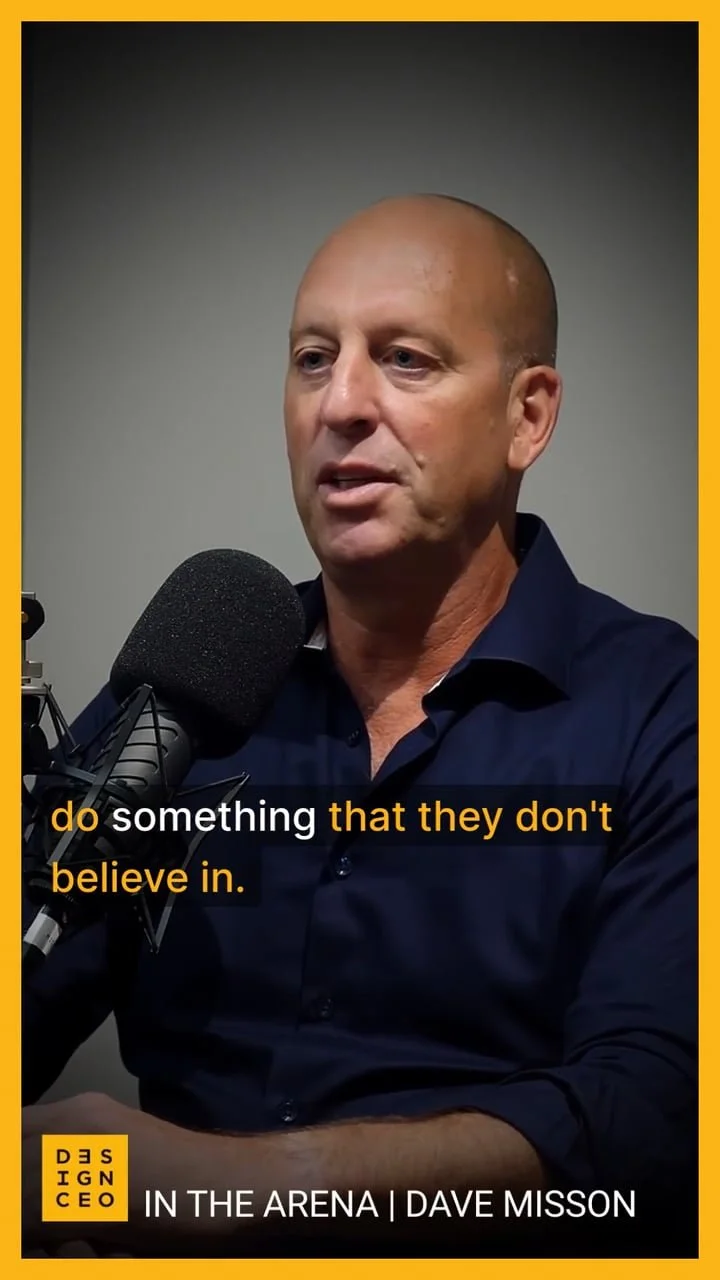
"You can't really make people do something that they don't believe in."
— Dave Misson
The Mantra
It starts with a meal in Mount Gambier. Dave's first gig with Tennis Australia.
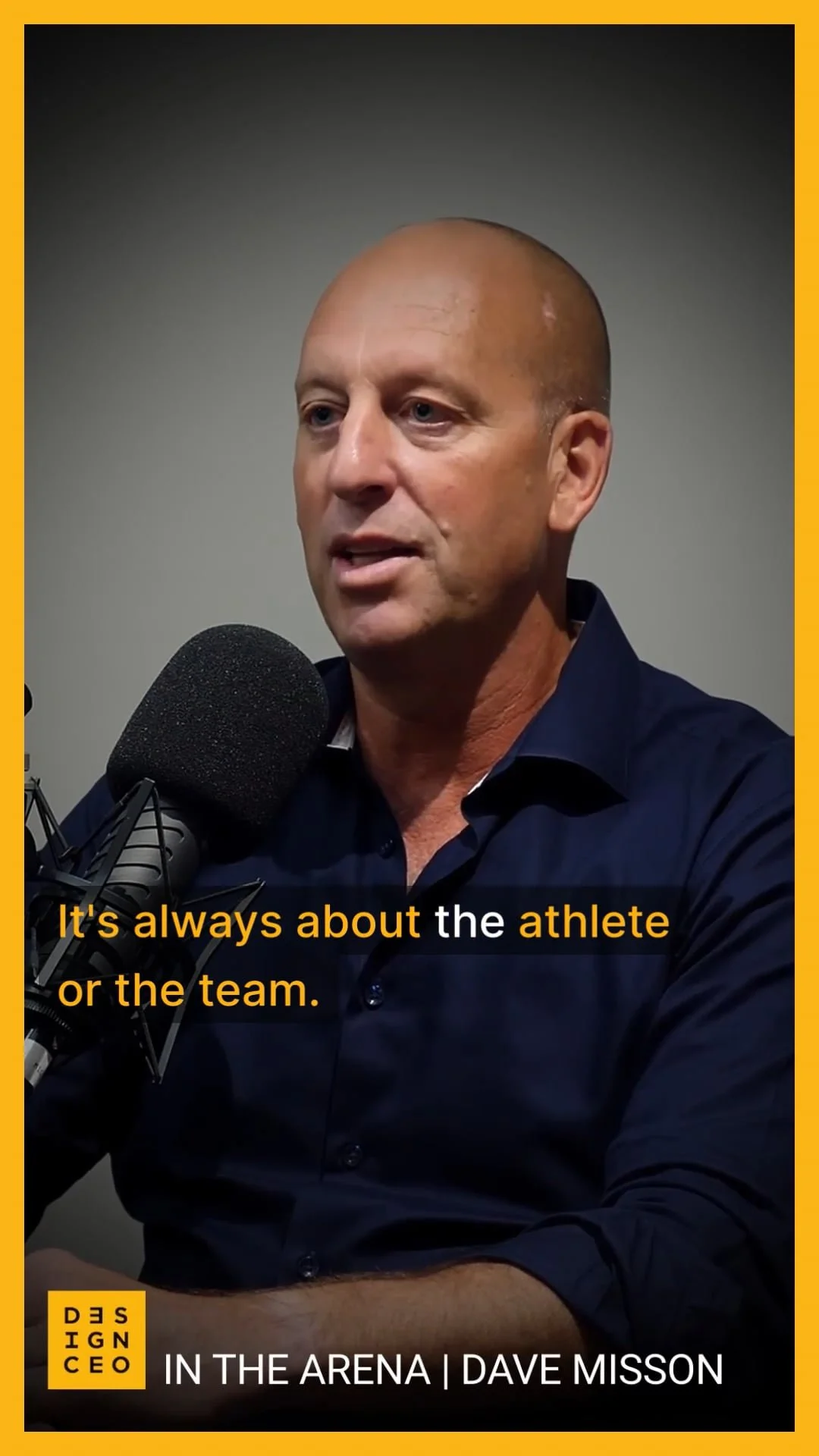
His mentor Ken Richardson sat him down and said: "It's never about you. It's always about the athlete or the team. Their best interest will always supersede your ego, reputation and the need to be the main attraction."
Dave carried that into every room he walked into. When he arrived at Melbourne after two successful clubs, he could have said, I know what you need. He didn't. He came in humble, got a feel for the group, and laid out the reasoning behind everything he asked of them. No shouting. No ego. Just clarity and care. That's the difference between unlocking performance and extracting it.
The Bloods
Dave was part of what I think of as the most famous culture in AFL history.
A camp in Coffs Harbour. Players in a circle. Three questions: How do opponents see us? How do we want to be seen? Who among us best lives that? Stuart Maxfield was voted overwhelmingly. Some very senior players hardly got a vote. And Maxie's response was to keep being himself — which is exactly why they chose him.
Then they named it. The Bloods. A trademark and a war cry. Values are only words on a wall unless you show what they look like every day. For the Swans it was hard, disciplined, relentless — and the constant question was, what does that actually look like? Culture compounds when you recognise and reward the right behaviours. It erodes when you don't.
Mechanics and dynamics
Ross Lyon describes the dynamics of a team as "the mortar that brings the bricks together. You might have the greatest piece of stone in the world. But if you haven't got the mortar, they're just bricks sitting on the ground."
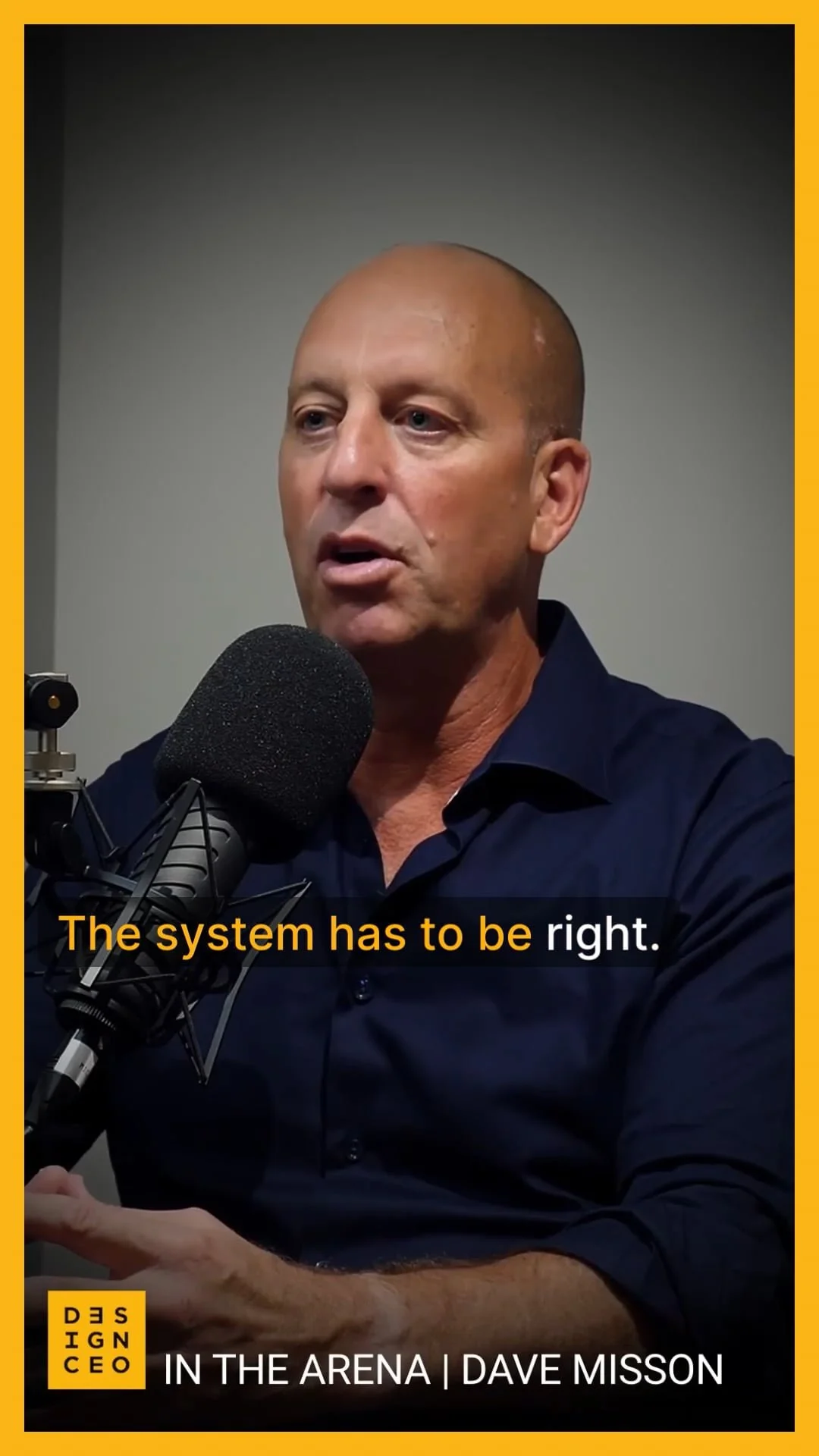
You need both. The system has to be right — that's the mechanics. But whether people feel valued, trusted, safe enough to contribute — that's the dynamics. Steve Waugh understood this. He told a 19-year-old Ricky Ponting he wanted to hear his views on bowling plans and field settings. His reasoning was simple — if you're good enough to be here, you've got something to offer. That's psychological safety before we had a name for it.
You belong here
On the bus to the first test in Rawalpindi in 1998, Justin Langer sat next to Dave, handed him an envelope, and said: "You're part of us now, and you need to learn these words because you're going to be singing it a fair bit." Inside was the team song. Dave still has that card.
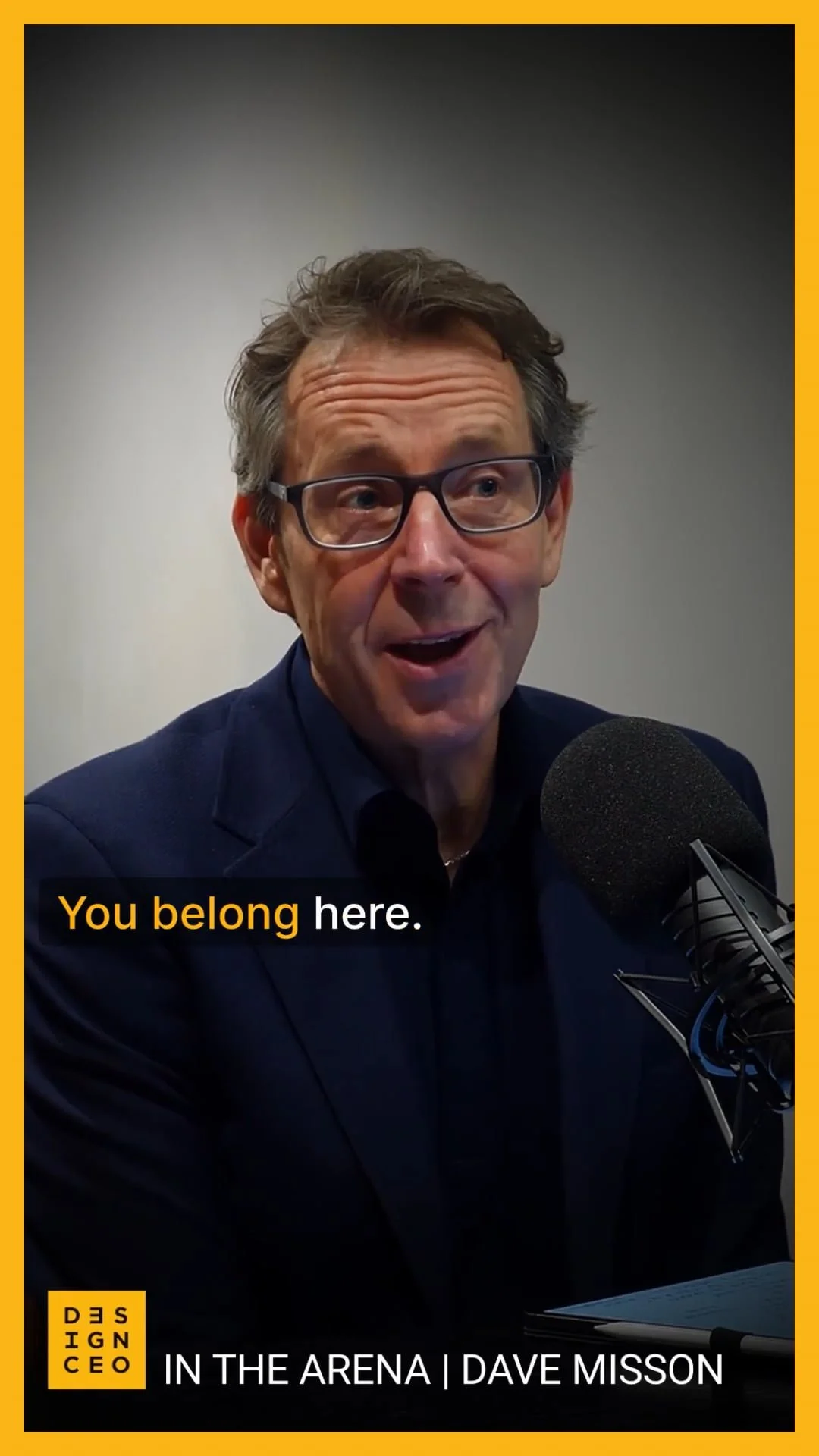
The most powerful words you can say to anyone in a team environment are: you belong here. Not because of your title. Because of who you are and what you bring.
This is a conversation about what happens when someone spends a career in service of others' performance. No ego. No noise. Just the quiet work of creating conditions where people believe in what they're doing — and do it anyway.
Notebook ready.
Play on!

Cameron Schwab
Video Shorts - Some key lessons from the podcast
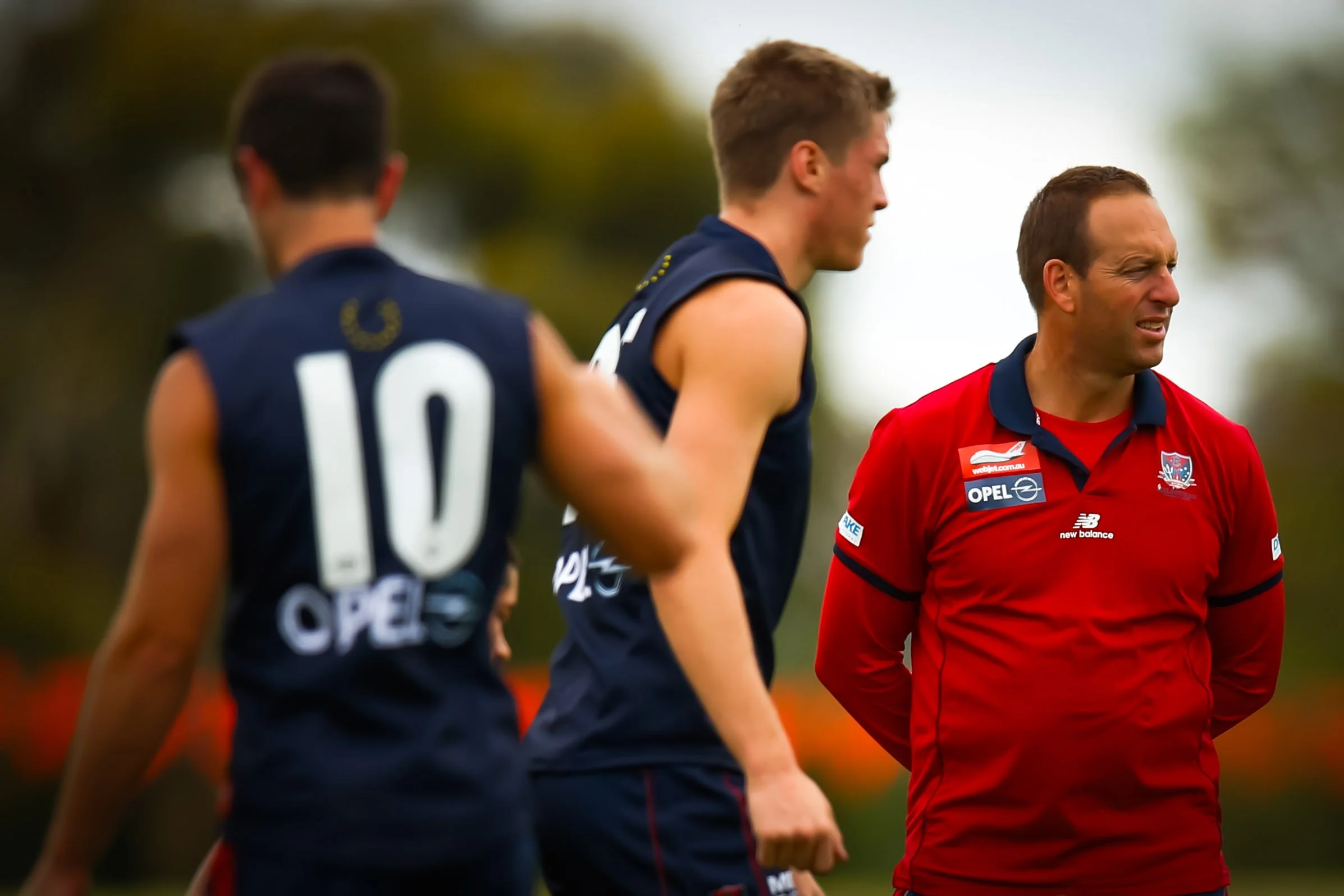

Leadership is the difference maker
To embrace the expectations of your role, welcome the responsibilities and pressures as a privilege, a right you have earned, and be energised by the opportunities they provide.
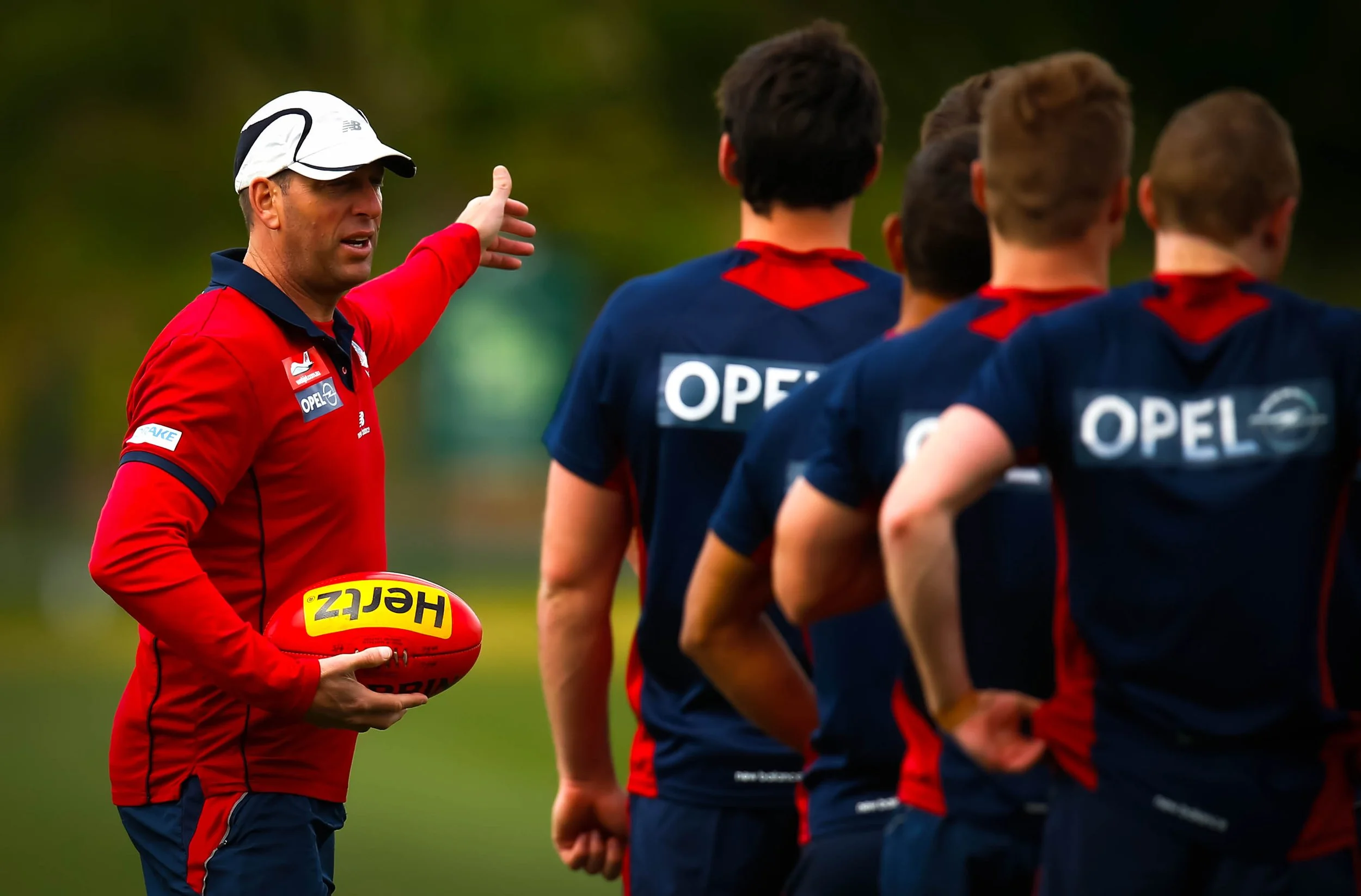
You can't really make people do something that they don't believe in.
Dave Misson