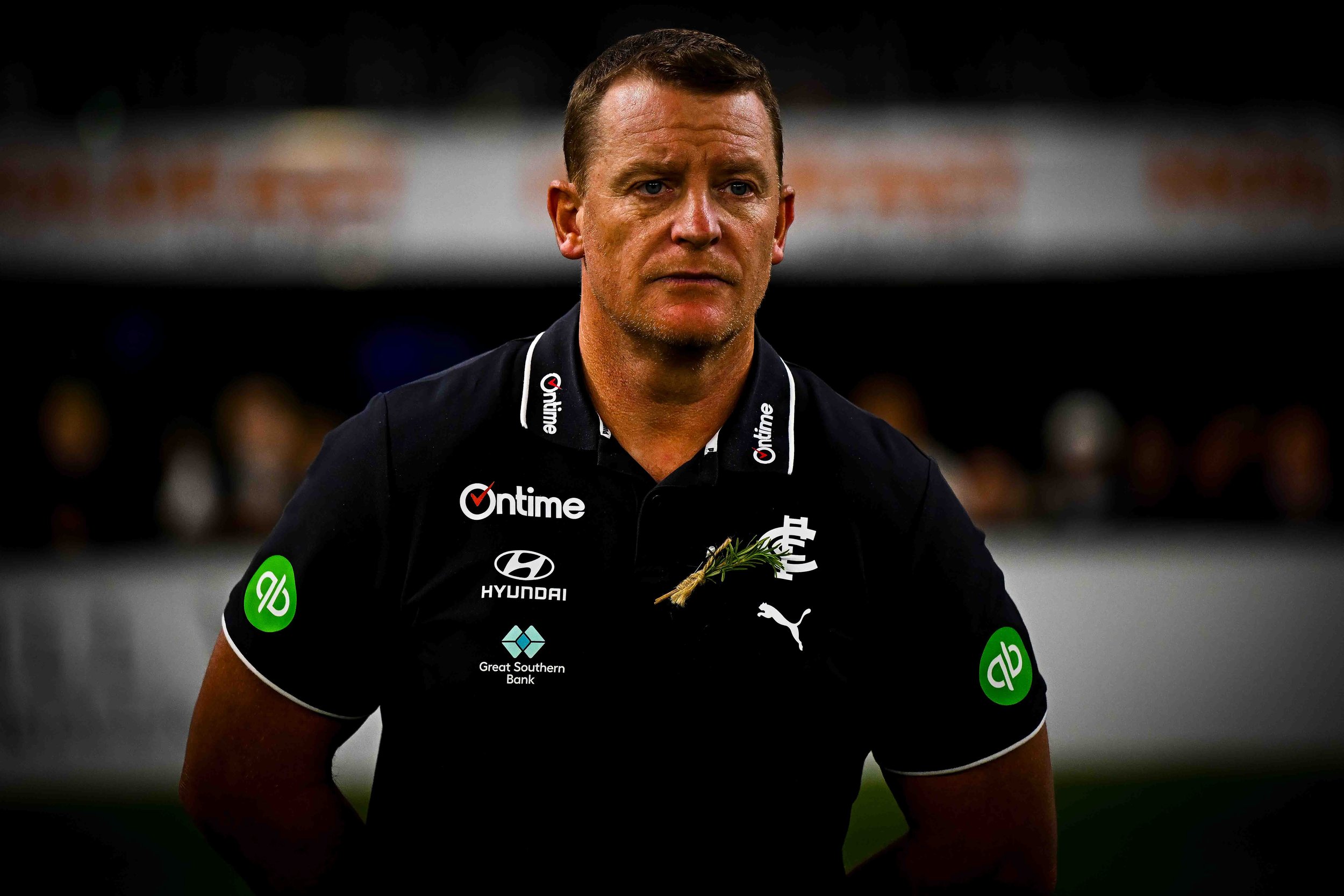
Episode #039
Michael Voss
‘The courage to always compete’
Episode #039
Michael Voss
‘The courage to always compete’
Listen and Subscribe

The courage to always compete
My guest for this episode is Michael Voss, three-time premiership captain at Brisbane. Player. Captain. Coach. Competitor. A life spent in the arena. And now sitting in what he calls "the grey", that space between what was and what's next, working out what the chase looks like when the scoreboard's gone.
The first podcast we did together was called You Asked for It. And here we are again, five years on. He's no longer coaching Carlton. The game changes quickly. But the meaning of those words hasn't changed at all.
"The reason why you went there and why you were doing it, that hasn't changed for me whatsoever. And if anything, it probably just only reinforces those particular words." - Michael Voss
Courage to always compete
It's been his mantra for as long as he can remember. Courage to always compete. But what that means has changed with every iteration of him.
As a player, courage was going back with the flight of the ball. Putting your head over it when you needed to. Running where no one else would run. As a coach, it became decision-making. Making calls that probably weren't popular, but you knew were needed. And at the end, stepping aside with some element of courage to let somebody else take their turn.
"I've always had the same mantra, courage to always compete. And that meant different things to me over my journey."
The thing that strikes me is that his trademark survived. Most people worry their identity won't have that timeless element. But if you find the right North Star, it takes you through every horizon.
The 20-minute drive
For the last five years, most mornings, Michael would drive from home to Ikon Park and spend 20 minutes just pressing record. How am I? What am I thinking? What are the big-ticket items? What have I used in the past that's really helped me?
And then, as the big gates opened and he pulled into the car park, he'd come up with two or three things about what he wanted to be today.
"Get really clear without the noise, without fog in the eyes. So, when I walk in, I can look at the players, I can look at my staff, and I can see them clearly. And I judge them from my eyes, not from someone else's."
If your eyes are tired, the world looks tired. The 20 minutes wasn't about motivation. It was about clarity. The capacity to show up and see what's actually in the room, not what the media says is in the room.
Upstream versus downstream
Entitlement or humility. That's the choice Voss keeps coming back to. Entitlement lives downstream, in the weeds, nitpicking the detail, blaming other people. Humility lives upstream, paying attention to the cause, asking what the environment's doing right now, what's my role within that.
"A lot of people spend too much time downstream, which is like, what's the detail? What's the problem? They live in the weeds. Get upstream. Have a good listen at what's more the cause."
And here's the thing about humility, it's not soft. It's not sitting back and letting others lead. Humility is recognising that tomorrow you have to turn up because you know you'll get beaten if you don't. That's turning up every single day knowing someone's turning up today to beat you. That's competitive humility.
The moment you risk yourself
At the end of 2024, Voss walked into preseason 2025 and said, this is how it's going to look. Standards had slipped. Too many players were going into maintenance mode. The injury list was long. Durability had suffered. And so he laid it out, this is what the gym's going to look like, this is the tempo, we're going to train unless your leg's falling off.
It disrupted the team. Some players walked out with fear. But those standards were elevated. And people came to the table.
"Did you feel like you were risking yourself?" I asked. "Absolutely. That's what I believed in. That's a risk that needed to be taken."
The young ones walked into that environment. They became the next leaders. And that's how cultures are rebuilt, a new wave of young players coming into a new environment that has higher standards. Culture starts with environment first, then builds into culture. It doesn't happen the other way around.
This is a conversation about what leadership asks of you when the stakes are high and the noise is loud. About seeing clearly. About living upstream. About holding your own pen and writing your own story. And about the courage to always compete, even when you're sitting in the grey, working out what's next.
Notebook ready.
Play on!

Cameron Schwab
Video Shorts - Some key lessons from the podcast
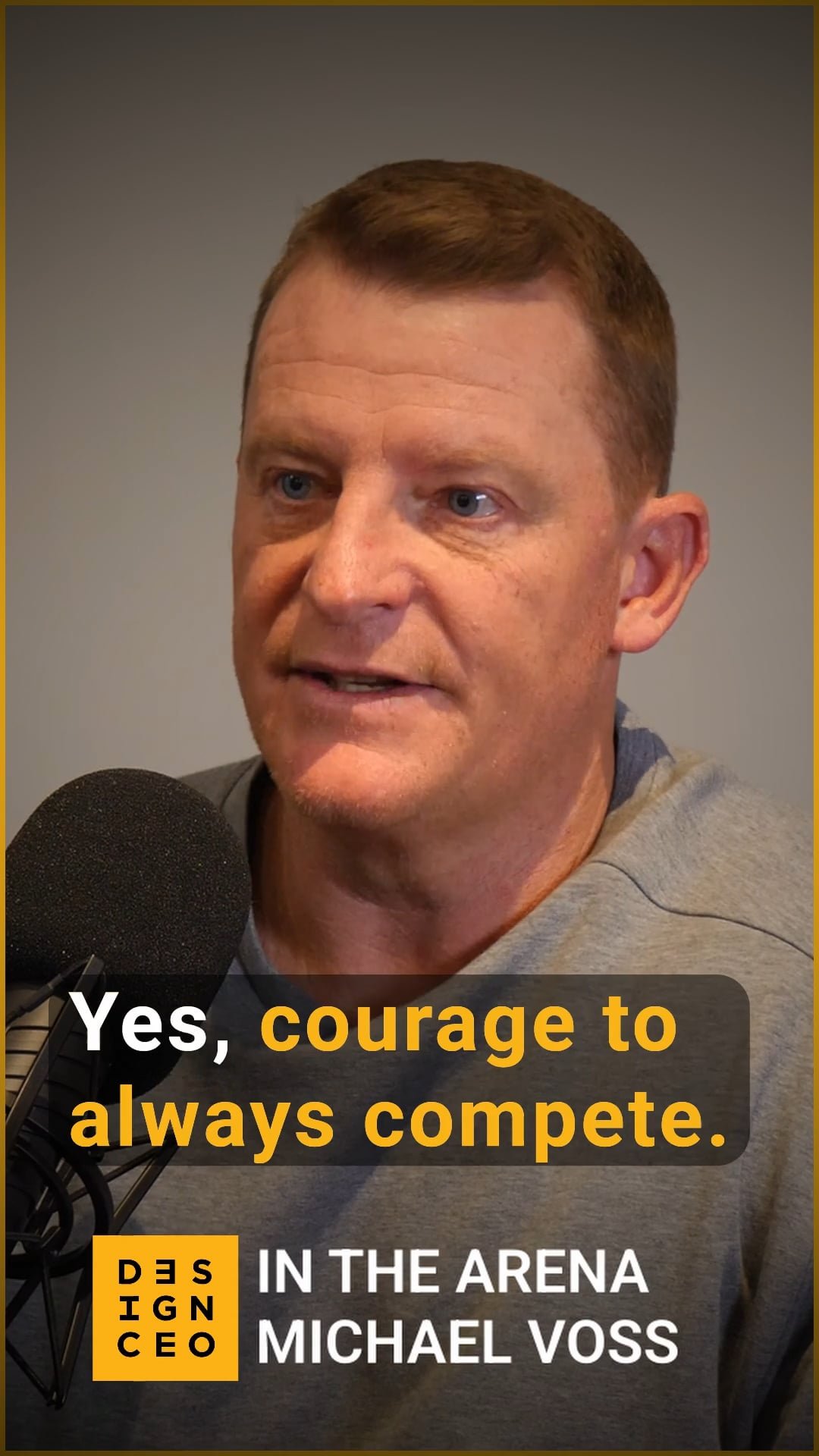
#1 - Courage to compete
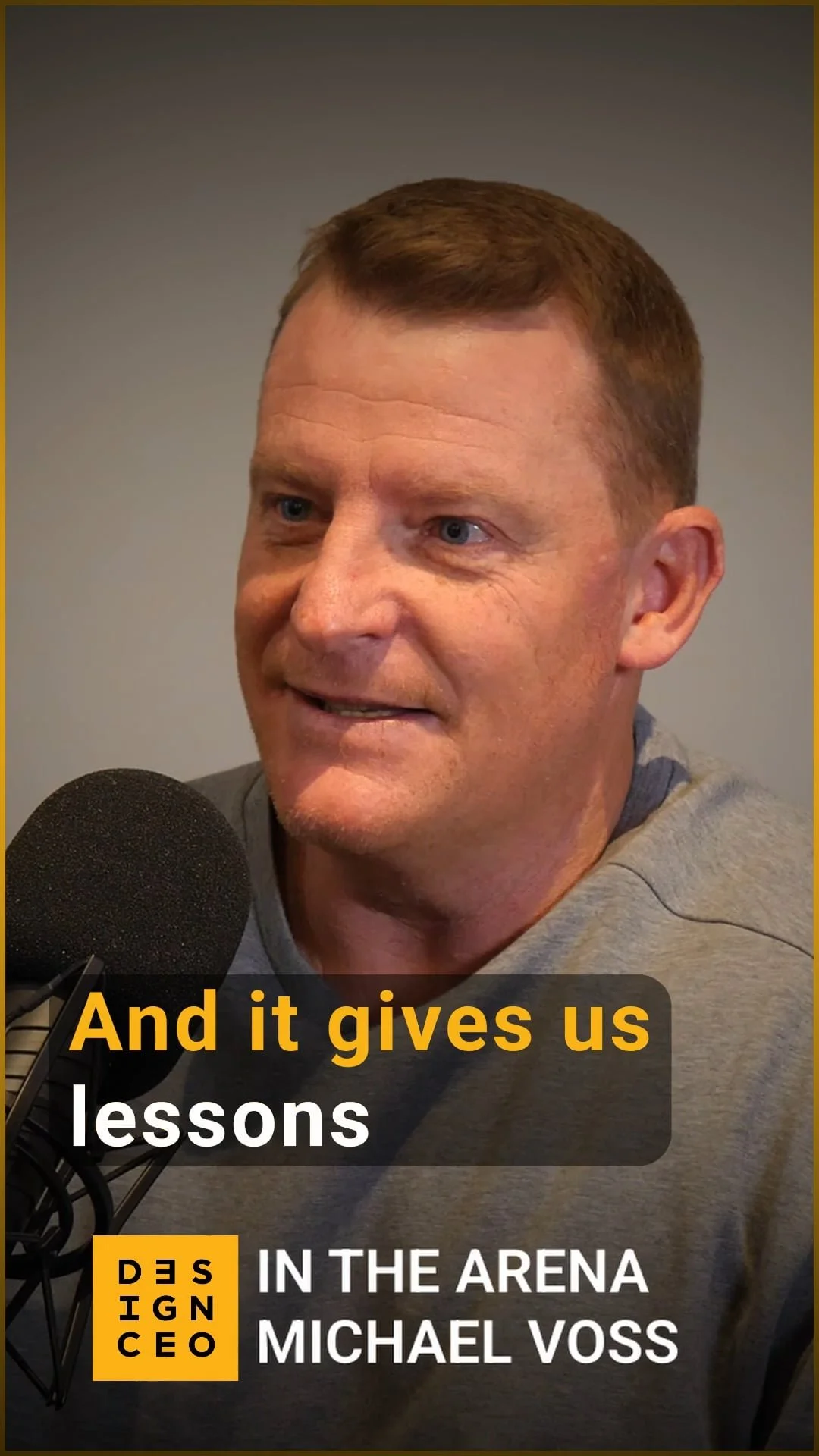
#2 - The 20-minute drive

#3 - Standards without negotiation
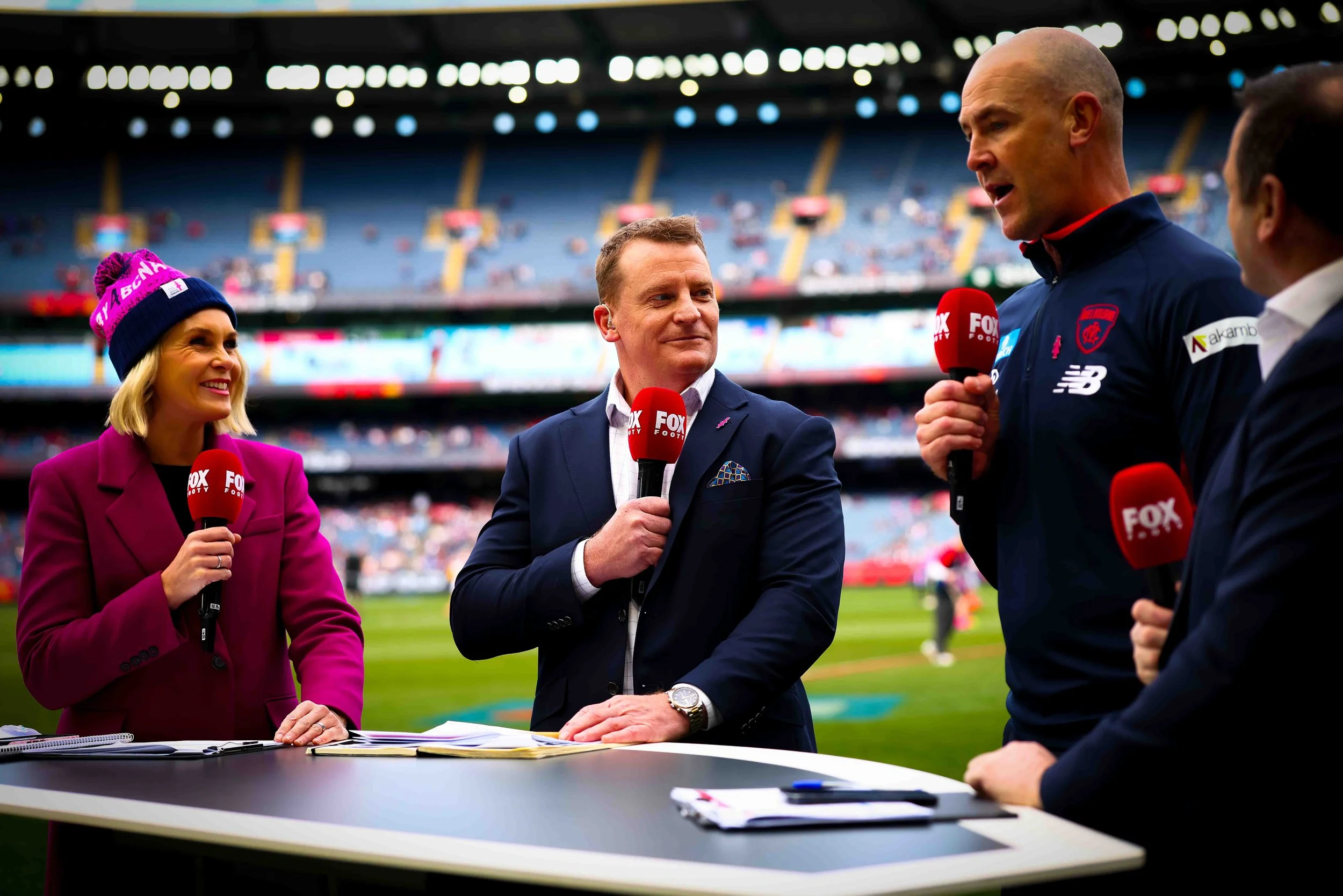
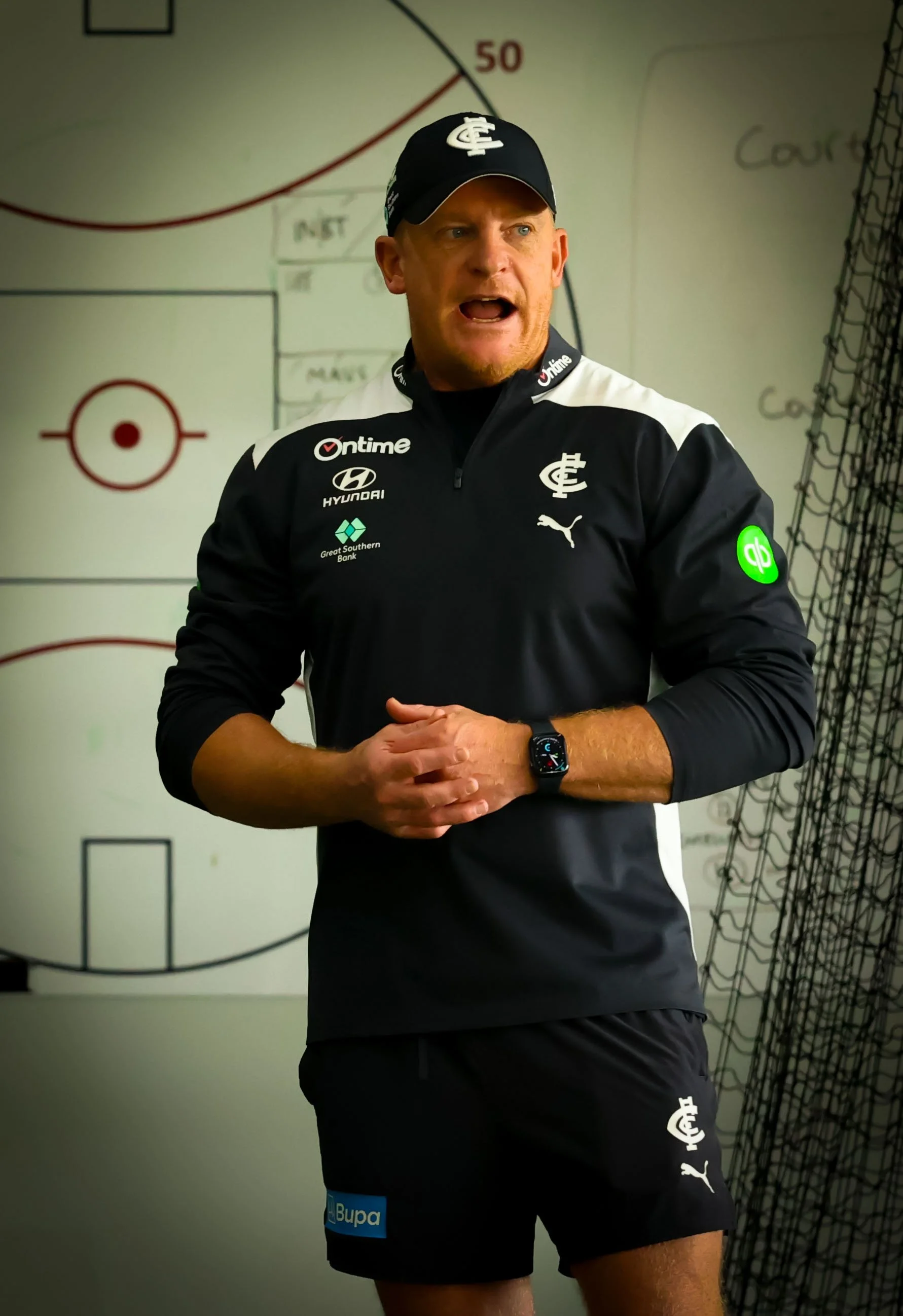
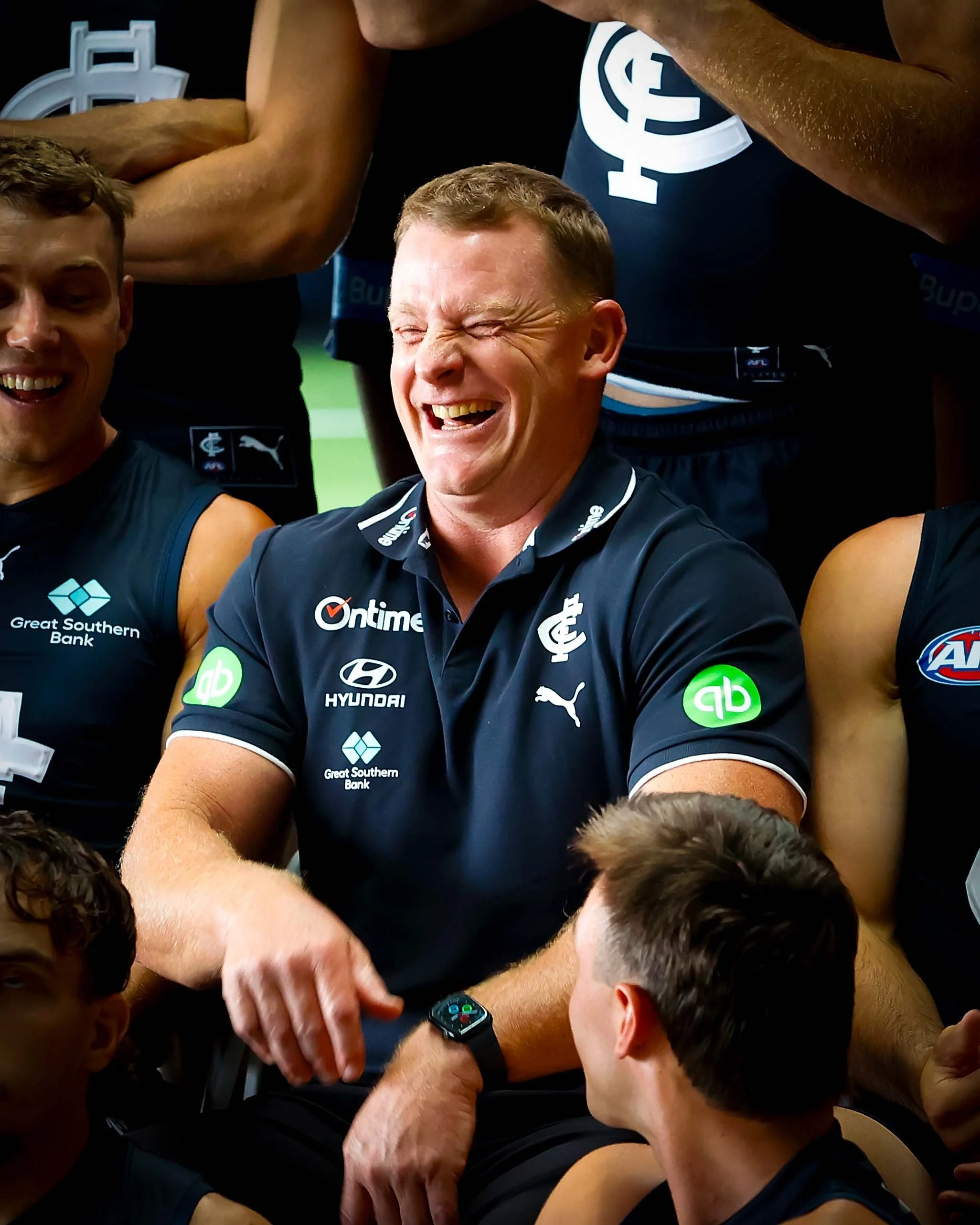

Leadership is the difference maker
To embrace the expectations of your role, welcome the responsibilities and pressures as a privilege, a right you have earned, and be energised by the opportunities they provide.
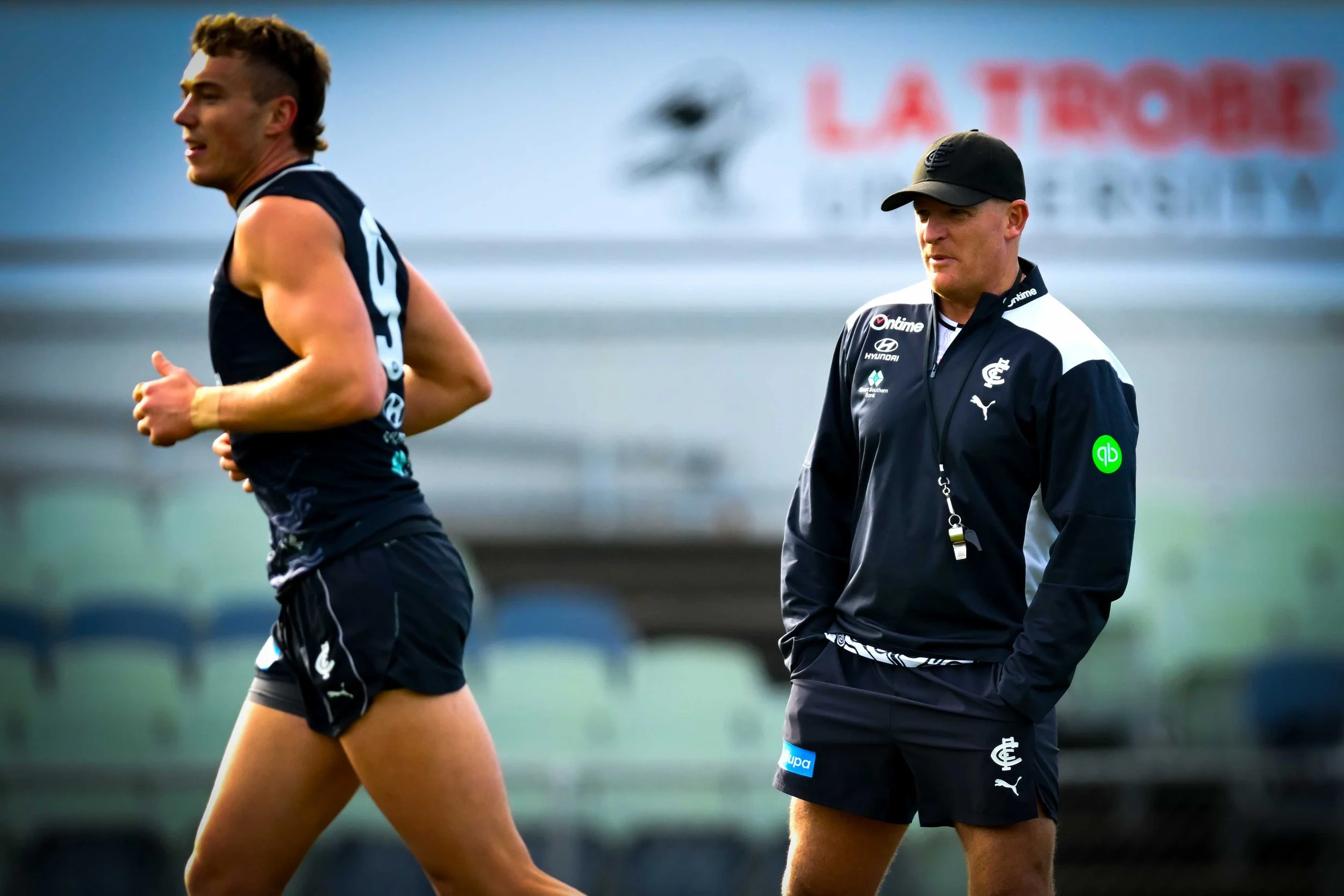
Courage to always compete, that's been my mantra for a long period of time.
The courage was going back with the flight of the ball as a player.
As a coach, it becomes decision-making.
Making calls that are probably not necessarily popular, but you know are needed.
Michael Voss