Episode #037
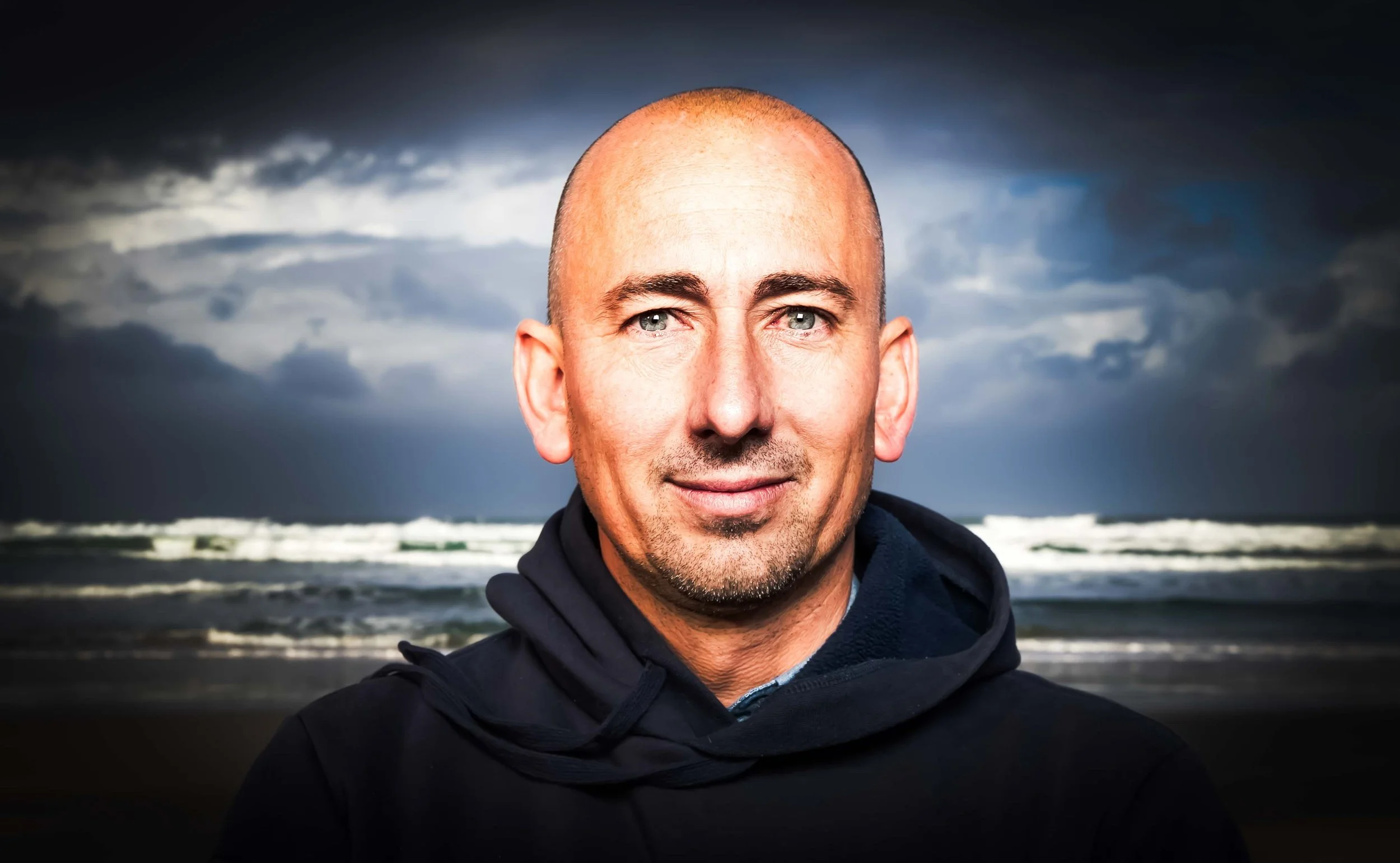
Matt Formston
‘Let go of the rope.’
Episode #037
Matt Formston AM
‘Let go of the rope’
Listen and Subscribe

Let go of the rope
"Under pressure, you don't rise to the occasion. You sink to the level of your training."
-Matt Formston
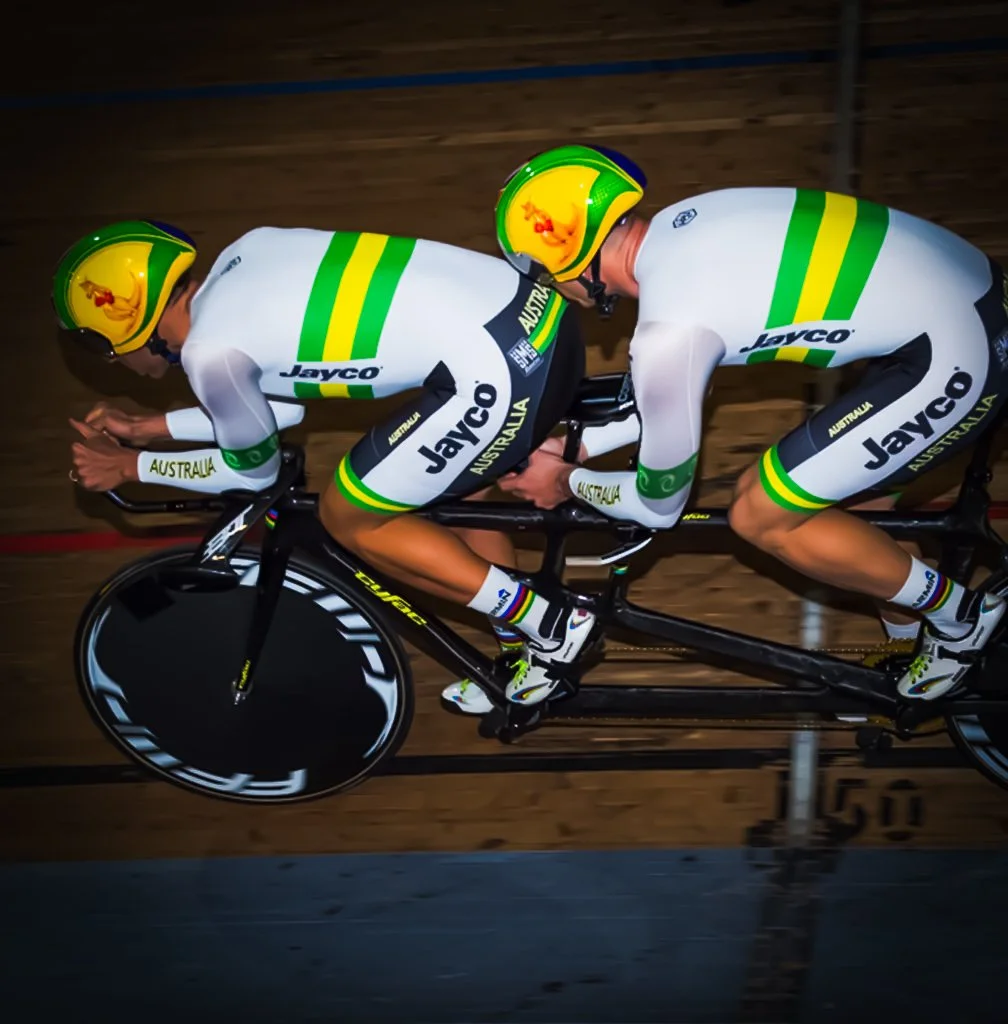
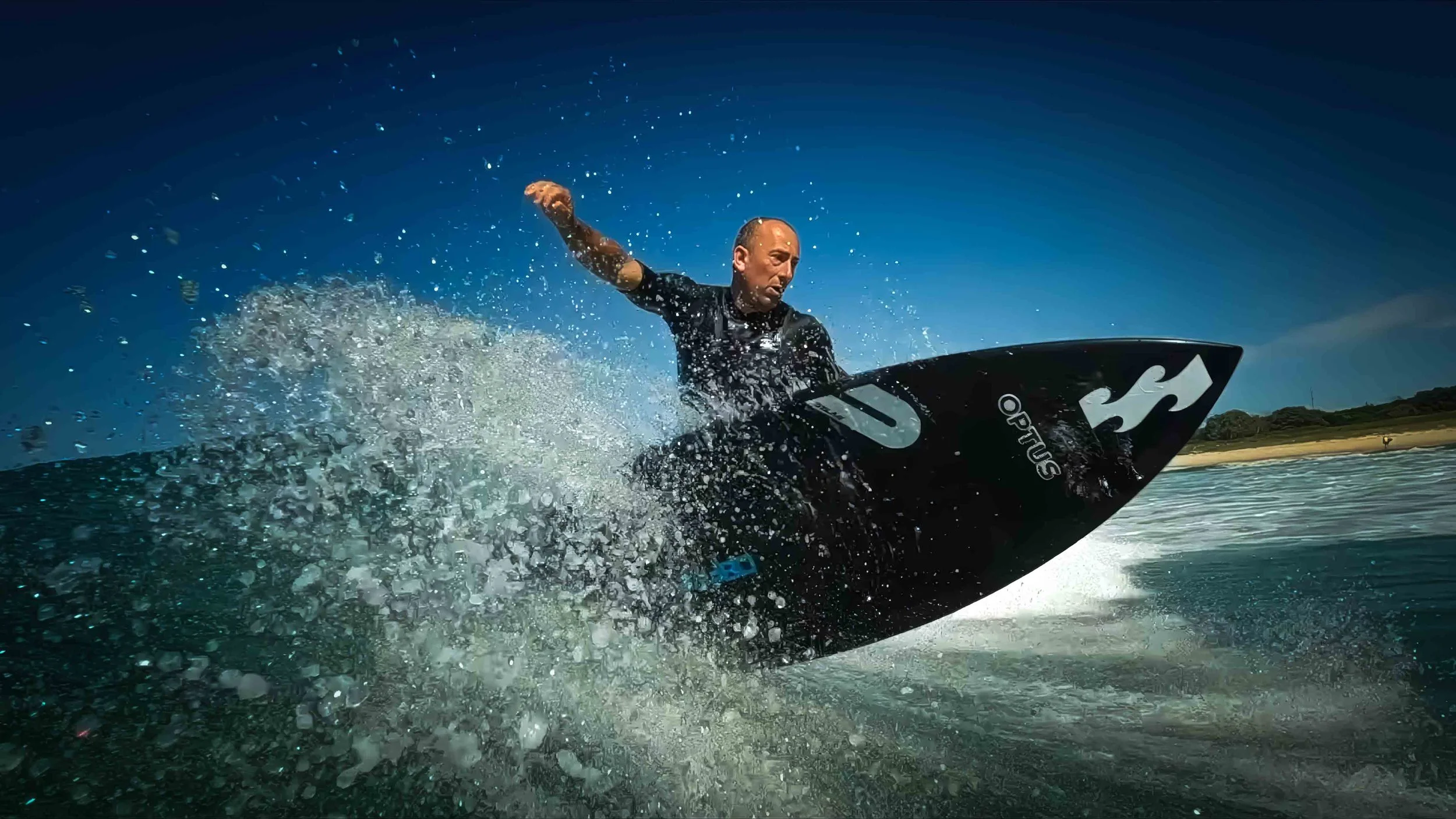
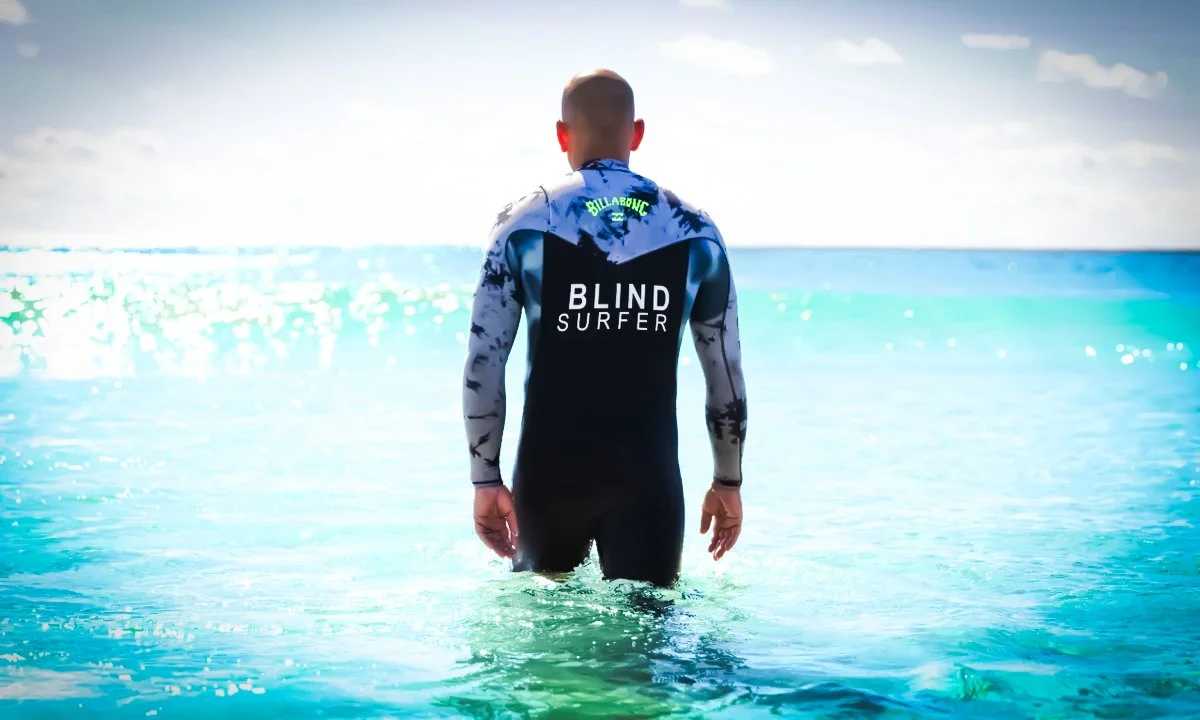
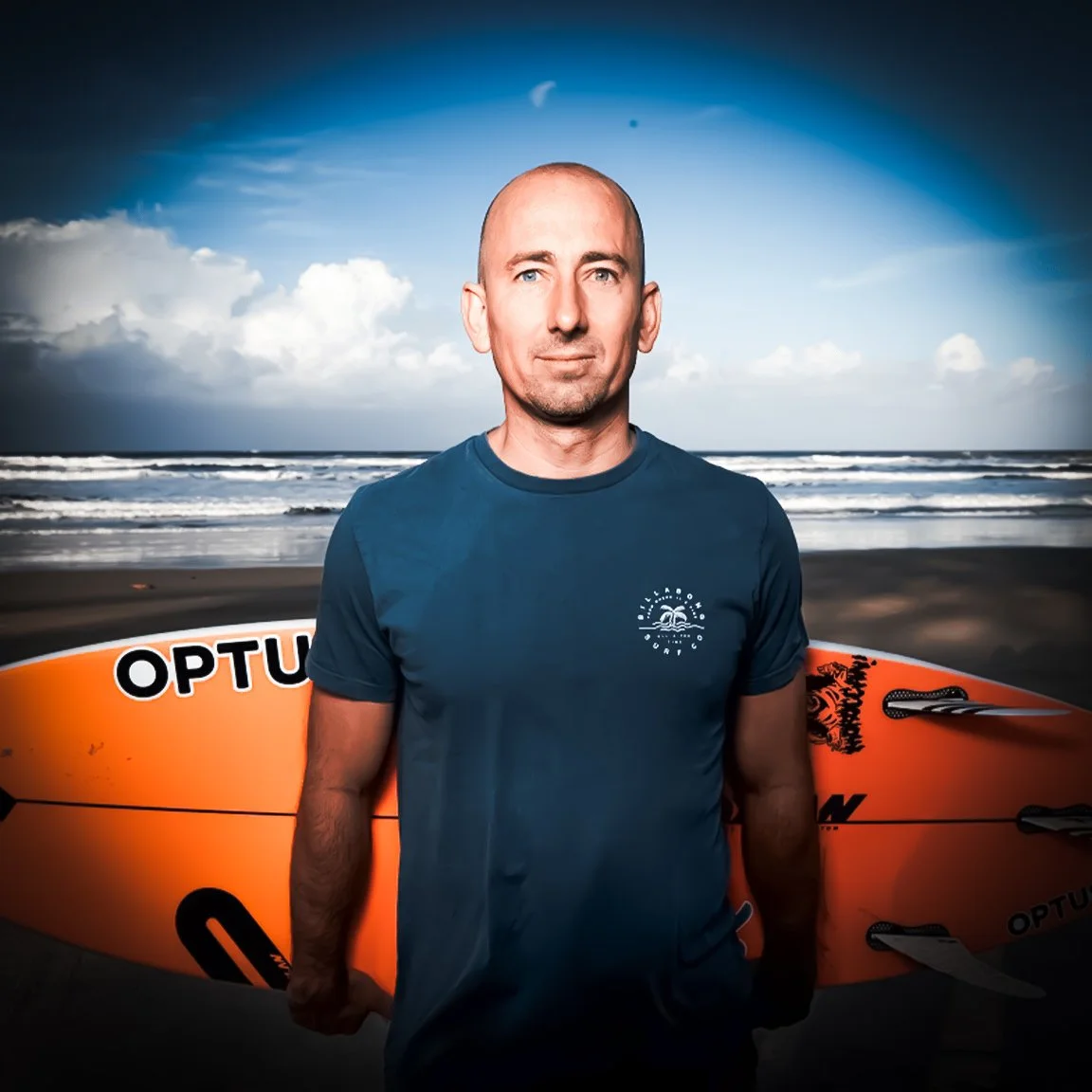
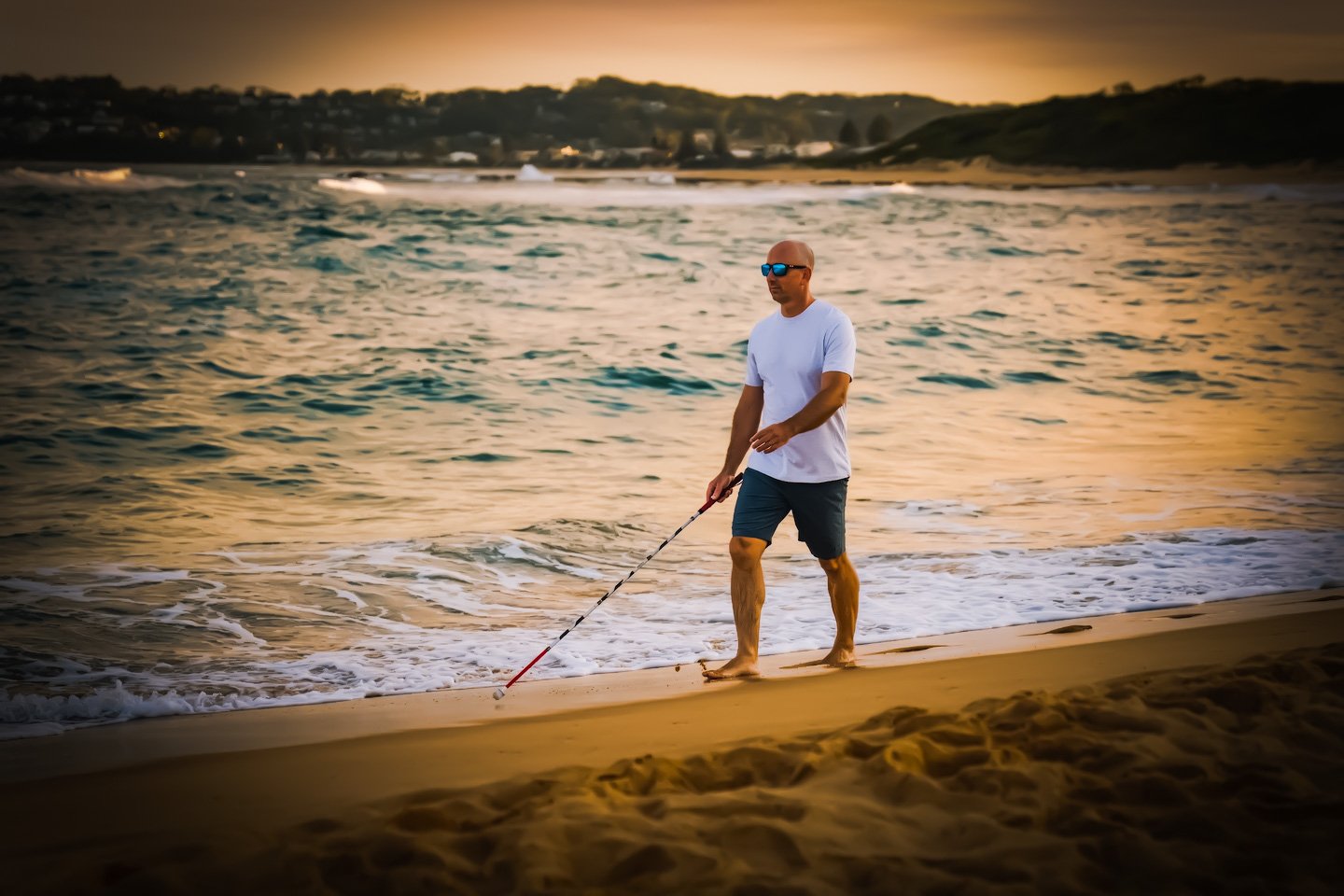
My guest for this episode is Matt Formston AM. Legally blind. Four-time surfing world champion. Paralympic cyclist. World record holder. Fifteen years at Optus.
This is a conversation about rock bottom, the question "why not?", and what it actually takes to let go of the rope when you can't see the five-story wave you're riding down.
This is a conversation for any leader who needs to know how trust is actually built when the stakes are life and death.
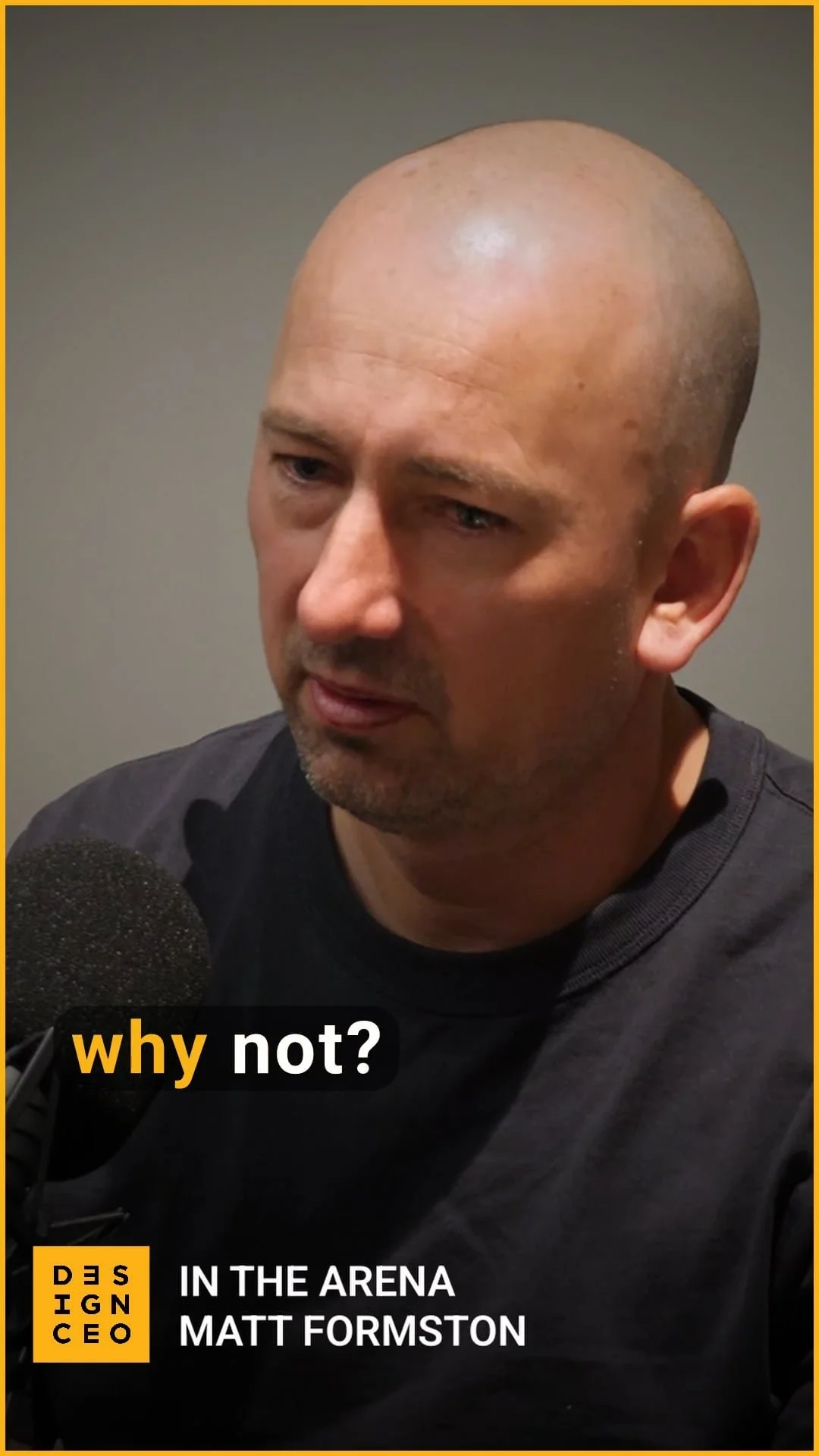
Why not?
Matt's father wouldn't tie the fishing hook for him. Sat on the boat, five-year-old boy with 5 per cent vision, thin line, small eye. "I can't do this, Dad."
"Why not?" Not there's no such thing as can't. Something more dangerous. Why not. And then you have to explain the problem. Not the excuse, the actual problem. "I can't see the hook." So it's not an I can't tie a knot problem. It's an I can't see the hook problem. Feel where the eye is. Feel where the line is. You can feel the line going through the eye. Six wraps around, finger marking the spot, map it with your hands.
Years later, fishing in the dark, Matt could tie a line faster than his sighted mates. They'd need torches. He'd already moved to the next thing.
"Can't is a toxic, dangerous word that stops people in their tracks. The moment you say it, you've given yourself permission to stop." What stood in the way became the way.
-Matt Formston
Carry the limp
At seventeen, Matt lost sport. Glandular fever, enlarged spleen, doctor's warning, one hit to the ribs and you're dead. By the time he came back, the adaptations that let a blind kid play blindside flanker at rep level weren't working anymore. The game had moved past him.
Sport was where his identity lived. School was bullying and deleted homework and branches at face height. The footy field was where he was just one of the boys. Lazy. Soft. Not the blind kid who missed that tackle. Just missed the tackle.
He lost sport and within the same year, one of his best mates took his own life. Matt's parents, terrified of losing him too, dropped the standards. The high expectations that had been the walls of a safe room, if you're told to be home at five and you're home at 5:05, there's a consequence, they removed them. Out of love. Out of fear.
Everything unravelled. Pub fights. Borrowed pride that only existed if someone else said it out loud. Christmas Eve, 3am, someone else's blood. Sitting at the family table the next day pulling crackers, worrying if the police would knock.
The real turning point came eight years later. 2008. Matt wrote a list, twelve things he wanted in a life partner. And something cracked. He wasn't half the things on that list. How could he expect someone else to be?
Two years of hard work. Daily accountability. Analysing every meeting, every word, asking: if I'd used a different word in that sentence, would the outcome have changed? By 2010, everything arrived at once. Met his wife. First executive role. Riding for Australia. "There's nothing lucky about it. I'd done the work."
Let go of the rope
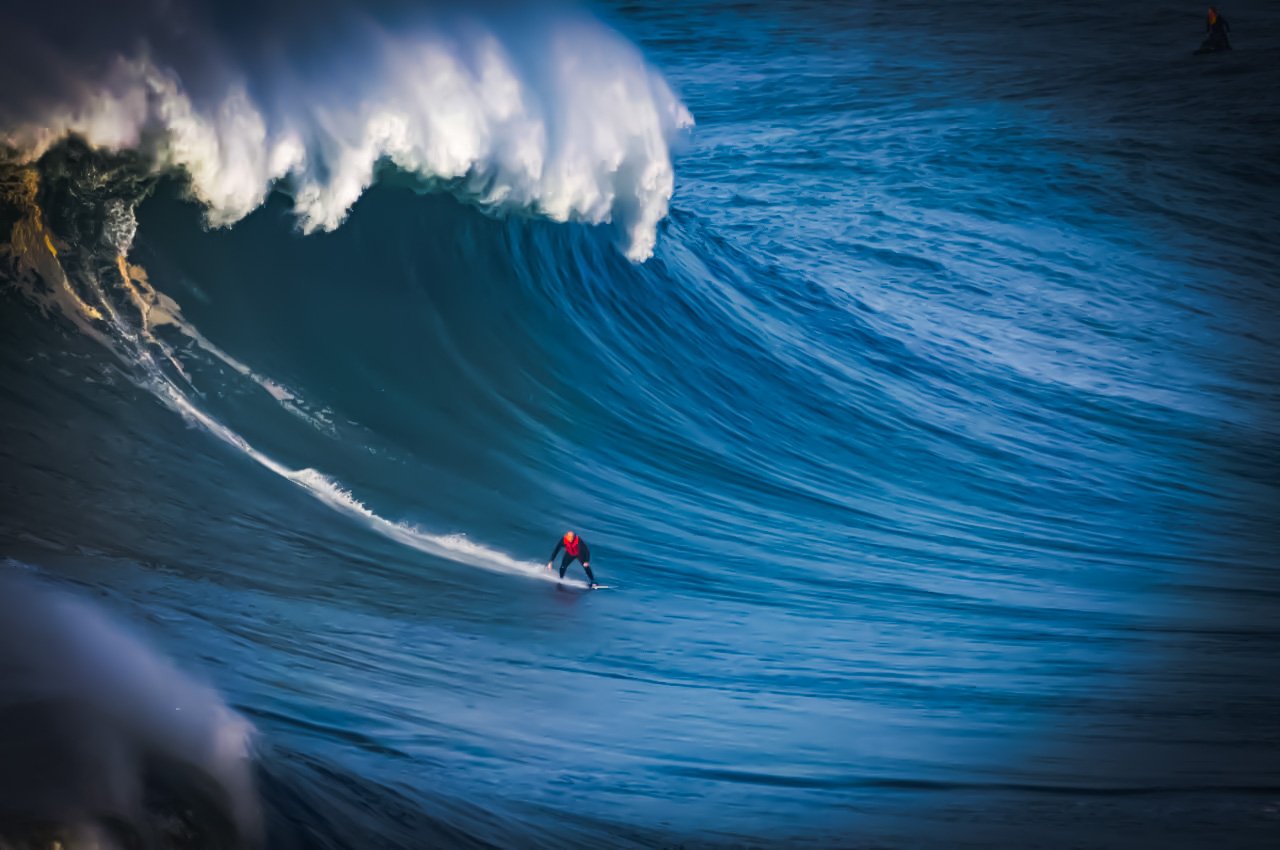
Nazaré is the biggest wave in the world. Fifty-one feet. The same size as a five-story building. Sub-marine waves refract off a canyon and join surface waves, tripling their size. It breaks like bombs because the team doesn't know where the wave will break until it's fifty metres away and jumps out of the water.
Matt is holding a rope. Sixty-five clicks per hour. Blind. Three whistles from the jet ski. Let go. Bottom turn. Kick out. Trust reduced to sound.
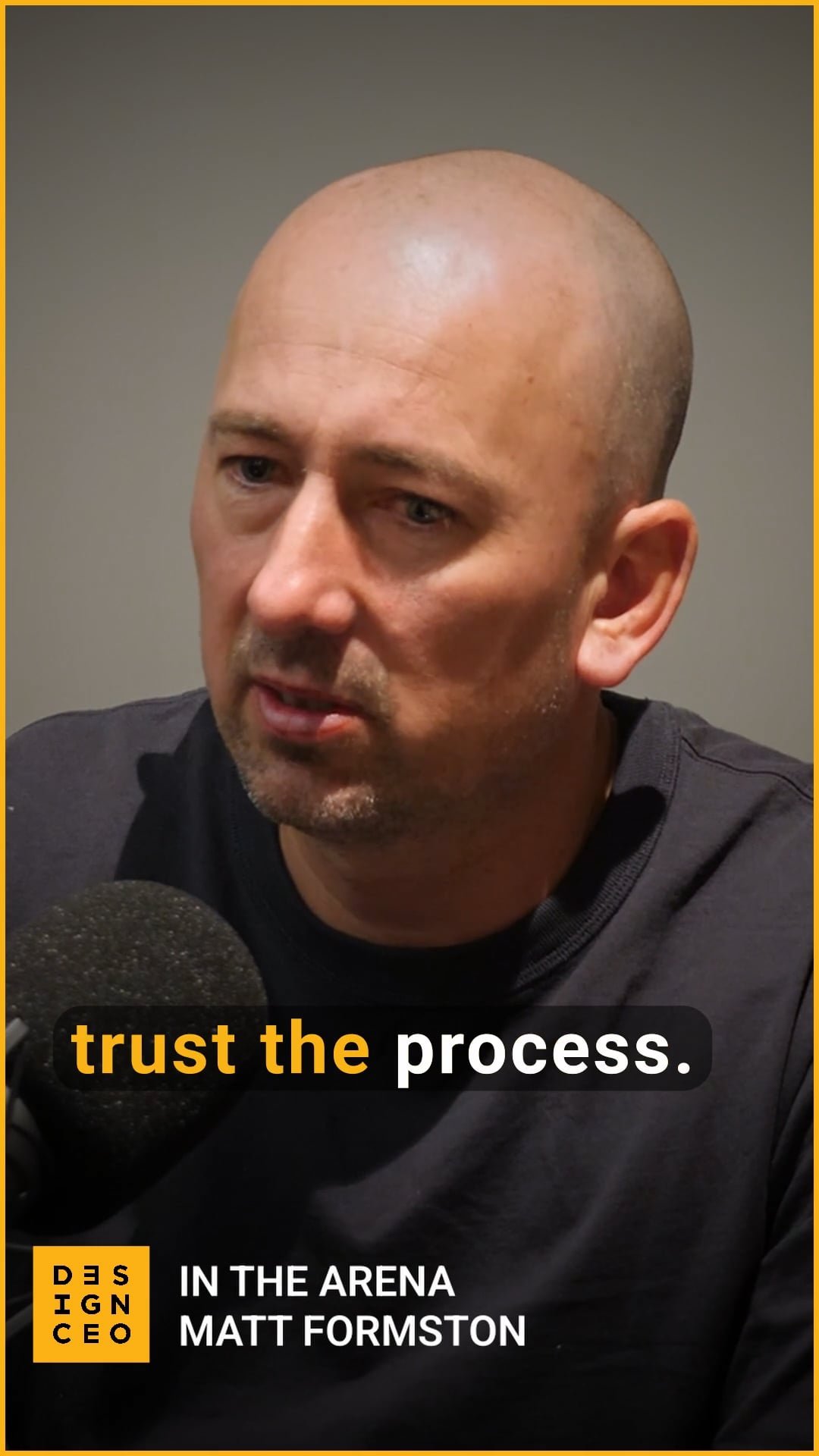
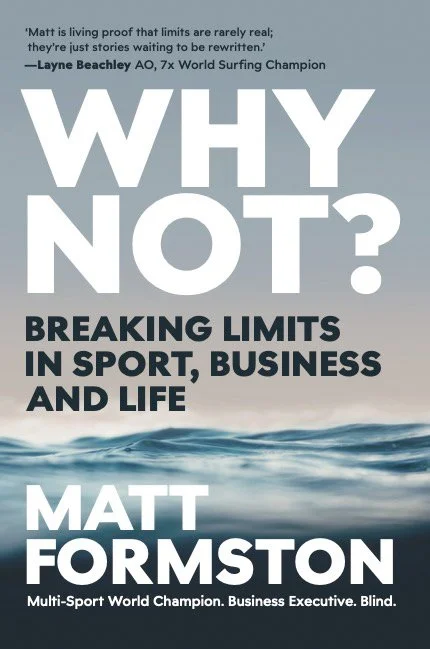
Trust = Standards × Consistency × Time. It's a multiplication sign on purpose. If any variable is zero, the whole thing is zero. At Nazaré, a failure in that formula kills you. Matt built it through writing his book Why Not?, released 1 August. The eighth of his Eight Hard Standards.
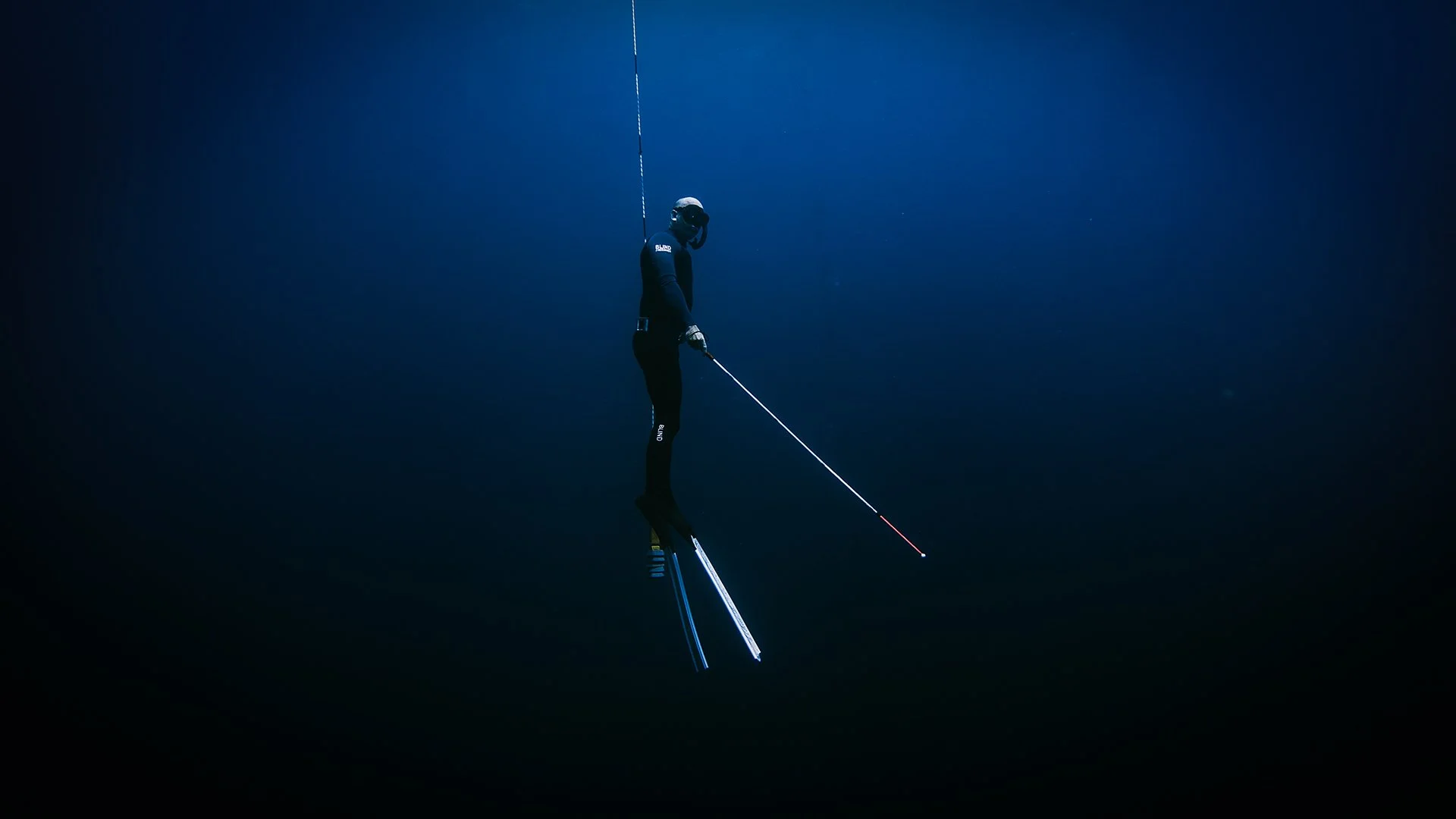
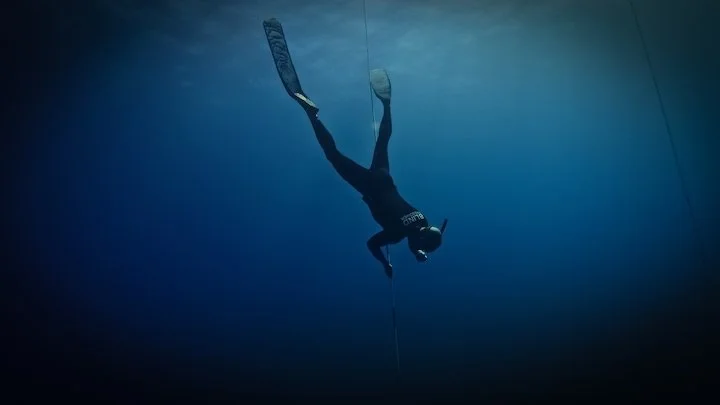
Before Nazaré, Matt trained breath holds with his coach Dwayne. "What can the other boys do?" The best big-wave surfers in the world, Dylan Longbottom, Lucas “Chumbo” Chianca, Kai Lenny. "Do you really want to know Dwayne asked? Or do you want to be the best version of you?" Dwayne didn't tell him until after.
Matt held his breath for 5 minutes 48 seconds. The best guys in the world? Two to four minutes. Thirty per cent higher than the best, because he didn't have a glass ceiling.
On the 25th wave at Nazaré, held down in the impact zone, Matt started smiling underwater. He'd built so much capacity he hadn't needed to use it yet. "Under pressure, you don't rise to the occasion. You sink to the level of your training."
High standards are the safety net
"A lot of people talk about creating safe places and psychological safety, and it's almost like reducing standards to create a safe place. Whereas I feel like when you increase the standards, the higher the standards are, the more psychological safety there is because you know where the goalposts are."
Standards without consequences are just wishes. The moment people watch you flex a standard for someone else, safety evaporates. Now nobody knows what's real.
In high-performance environments, Nazaré, the tandem at 100 kilometres per hour down the Alps, the teams at Optus, clarity is kindness. Empathy isn't just for the individual who's struggling. Empathy is for the whole team. If someone's not performing and it's impacting everyone else, the most empathetic thing you can do is hold the line.
Matt's greatest achievement isn't the four world titles or the Paralympics or the AM or the Netflix documentary. It's bringing his life back from nearly dead or in jail. Building a foundation with his wife Bex. Giving his kids something solid to stand on.
Every night before his children sleep, they say their "I am's." I am brave, I am inquisitive, I am grateful, I am kind, I am happy. And then their name. That's their identity. And Matt doesn't just let them say the words. He picks one. "What does kind mean? How are you being kind? Are you helping your friends become more kind?"
He's parenting for the thirty-year-olds they'll be one day, not the children they are.
This is a conversation about what happens when you spend a life asking, "why not?" instead of accepting "I can't." When you build the capacity so deep that you're smiling underwater at 51 feet. When you understand that trust isn't a feeling, it's a formula. And when you know that the highest standards are the kindest thing you can hold.
Notebook ready.
Play on!

Cameron Schwab
Video Shorts - Some key lessons from the podcast
#1 - Why not
#2 - Trust Formula
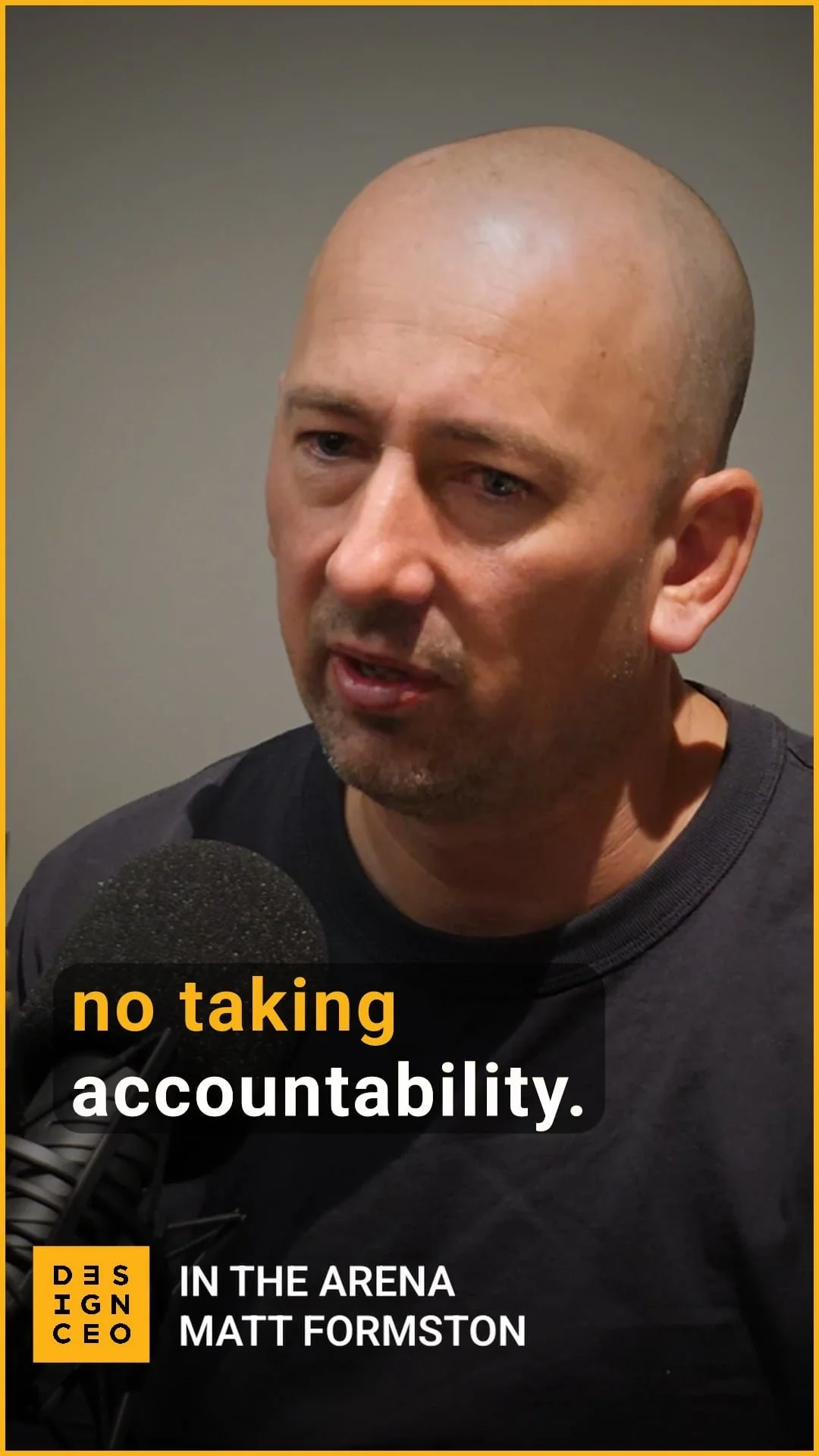
#3 - The limp

Leadership is the difference maker
To embrace the expectations of your role, welcome the responsibilities and pressures as a privilege, a right you have earned, and be energised by the opportunities they provide.
Can't is a toxic, dangerous word that stops people in their tracks. The moment you say it, you've given yourself permission to stop.
Matt Formston