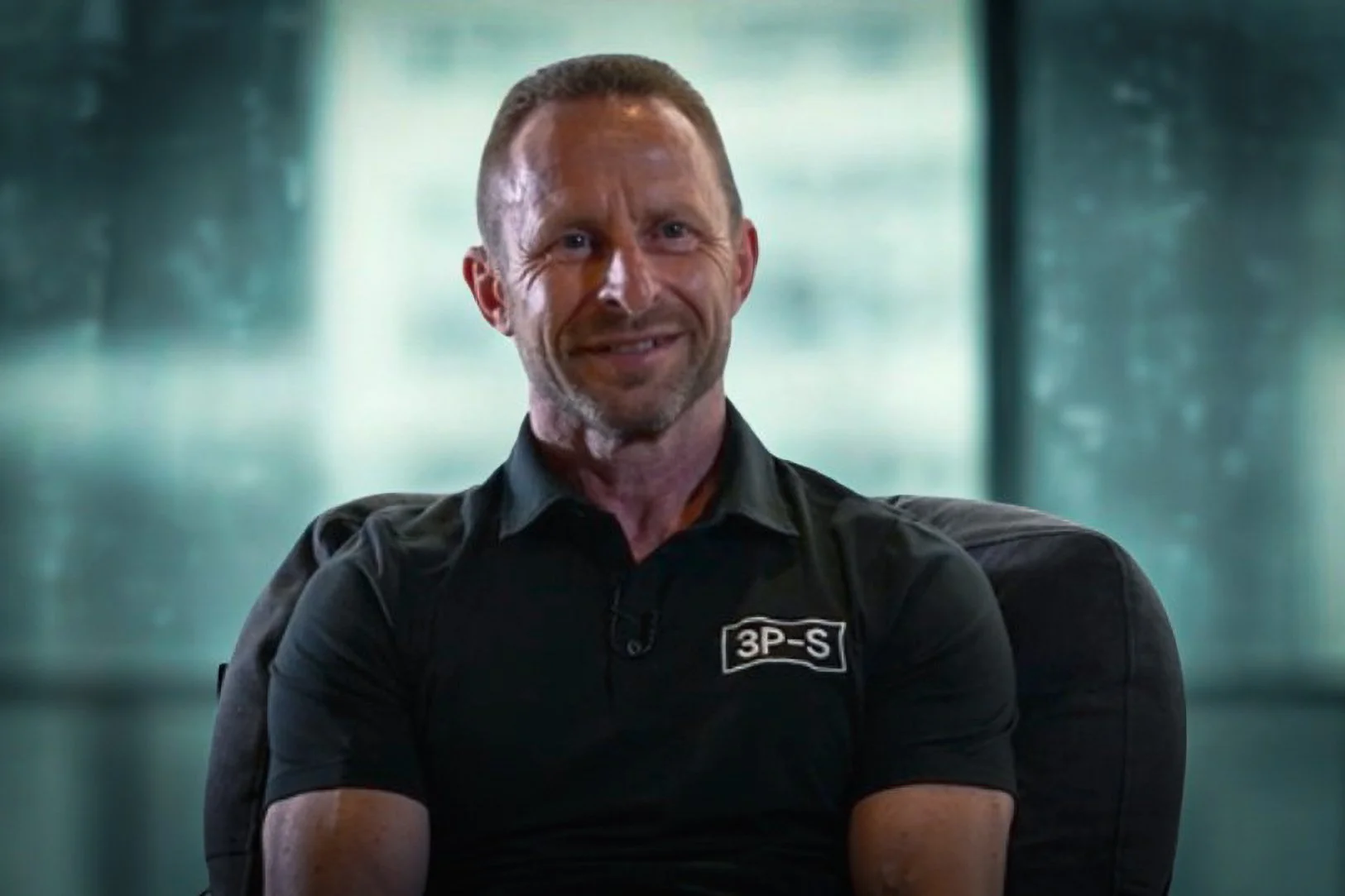
Episode #030
DR DAMIEN TAYLOR
‘The second mountain’
Episode #030
DR DAMIEN TAYLOR
‘The second mountain’

Listen and Subscribe
The second mountain
“Leadership is a constant act of situational influence, knowing what this moment asks of you.”
Across decades of work as a leader and coach, and with the depth of research and insight that a leadership PhD will ask of you, Dr Damien Taylor studied over 160 high-performing leaders from across the world, spanning elite sport, military, emergency services, and corporate life.
It took him deep into the highest-pressure environments where leadership decisions define not only individual, team and organisational performance, but also people’s lives.
From this research, a compelling PhD was born, and with that an even deeper insight and understanding: Leadership, at its best, is an act of understanding, of self, of others, and of the moment.
It is an ‘in you, through you’ endeavour, and in fact, as much as we want it to be something different, in the end, there is no choice.
Simply, “If it isn’t happening in you, it will not happen through you”.
From ‘getting good’ to ‘making good’.
In our conversation, we spoke about the ‘two mountains’, articulated wonderfully by writer David Brooks in his book ‘The Second Mountain’.
My interpretation of this journey for leaders is that the first mountain is a climb of developing a skill that is valued, and with that, outward success and acknowledgement. It’s an ascent of ‘getting good’ at something, earning recognition, often being seen as someone ‘special’.
The second mountain, assuming that the challenging transition is successfully negotiated, is a crossroad that builds on the lessons that the ‘getting good’ journey blessed you, and your life is now one of ‘making good’.
If the first mountain is about gaining knowledge, the second mountain is about giving wisdom.
Through years of interviewing leaders across disciplines and cultures, Dr Taylor came to see that wisdom is not found in results but in reflection. The second mountain calls for empathy over ego, awareness over ambition, and a deeper understanding of what it means to influence others through presence, not position.
The great shift in leadership, he says, is when knowledge no longer feels like enough, when the effort turns inward, but many miss this moment, and are left grieving their story no longer.
Asking harder questions
There comes a time when every leader must pause and take stock.
For Dr Taylor, it’s the passage between age 40 and 55, a stretch of life that exposes both the weight and the cost of relentless striving. It’s a season that asks harder questions, such as:
Is this still who I want to be?
What truly matters now?
It’s a crossroad that humbles even the most accomplished. The first mountain’s confidence gives way to doubt, yet it’s here, in the quiet and discomfort, that purpose begins to form.
In turning inward, leaders learn to lead from a place that is a true reflection of who they are, and from the lessons learned, what we describe as their ‘leader’s limp’.
“I don’t teach anything I haven’t fucked up”, I explain to Dr Taylor in support of his hypothesis.
From doing to being
The second mountain of leadership is not about doing more, but about being more deliberate, more present, and more human.
Dr Taylor’s message is simple yet profound: measure life not by achievement, but by energy, attention, and contribution.
Success becomes less about climbing higher and more about deepening connection, to self, to others, and to purpose. It’s leadership as practice, not performance. In this space, “good enough” is not resignation but wisdom, the recognition that steadiness, kindness, and self-awareness are the new measures of mastery.
When leaders learn to value calm over control, and meaning over momentum, they discover that the summit was never the goal; it was about growth, even though you never realised it at the time.
Notebook ready…
Play on!

Cameron Schwab
Video Shorts - Some key lessons from the podcast
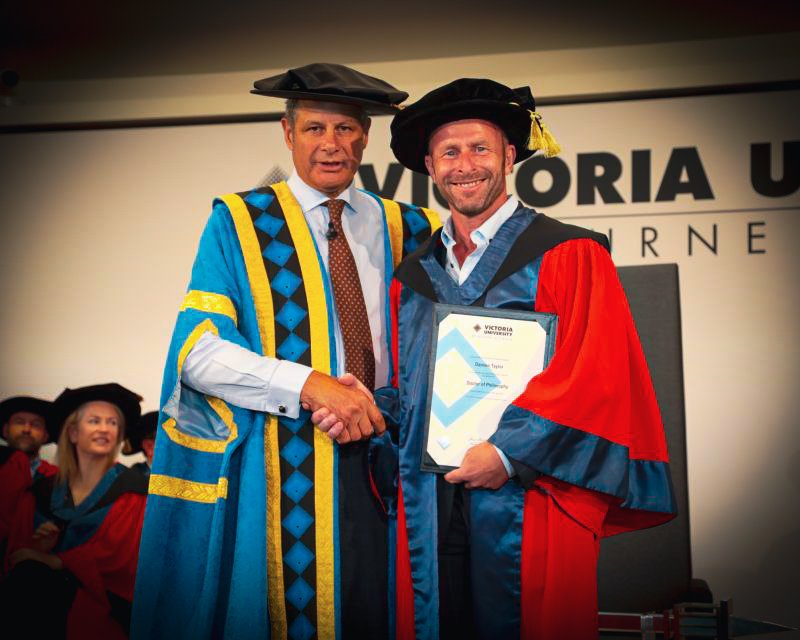

Leadership is the difference maker
To embrace the expectations of your role, welcome the responsibilities and pressures as a privilege, a right you have earned, and be energised by the opportunities they provide.
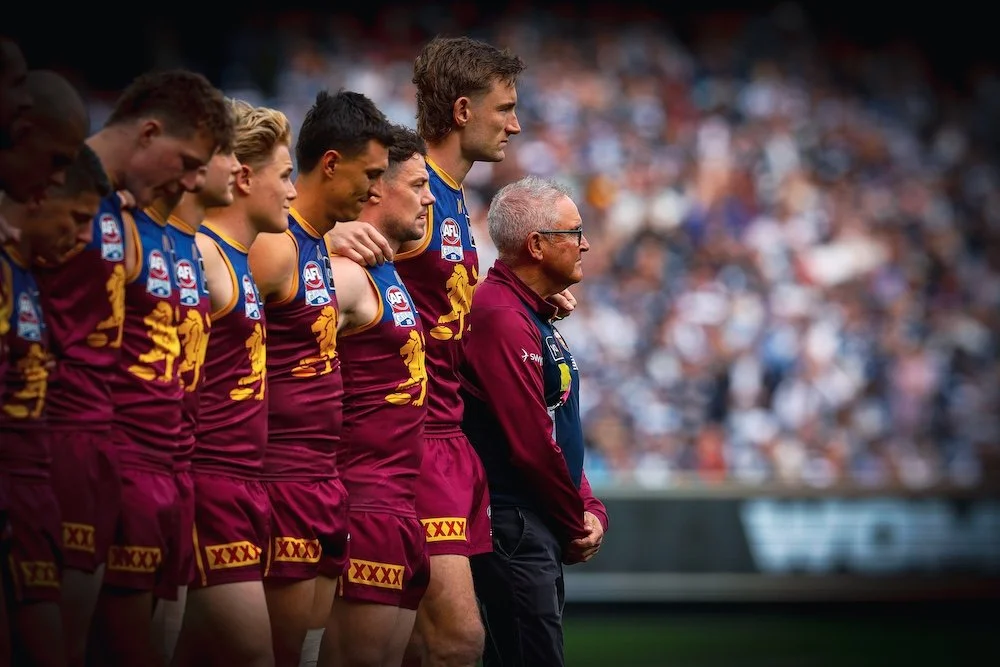
Leadership is a constant act of situational influence, knowing what this moment asks of you
Dr Damien Taylor